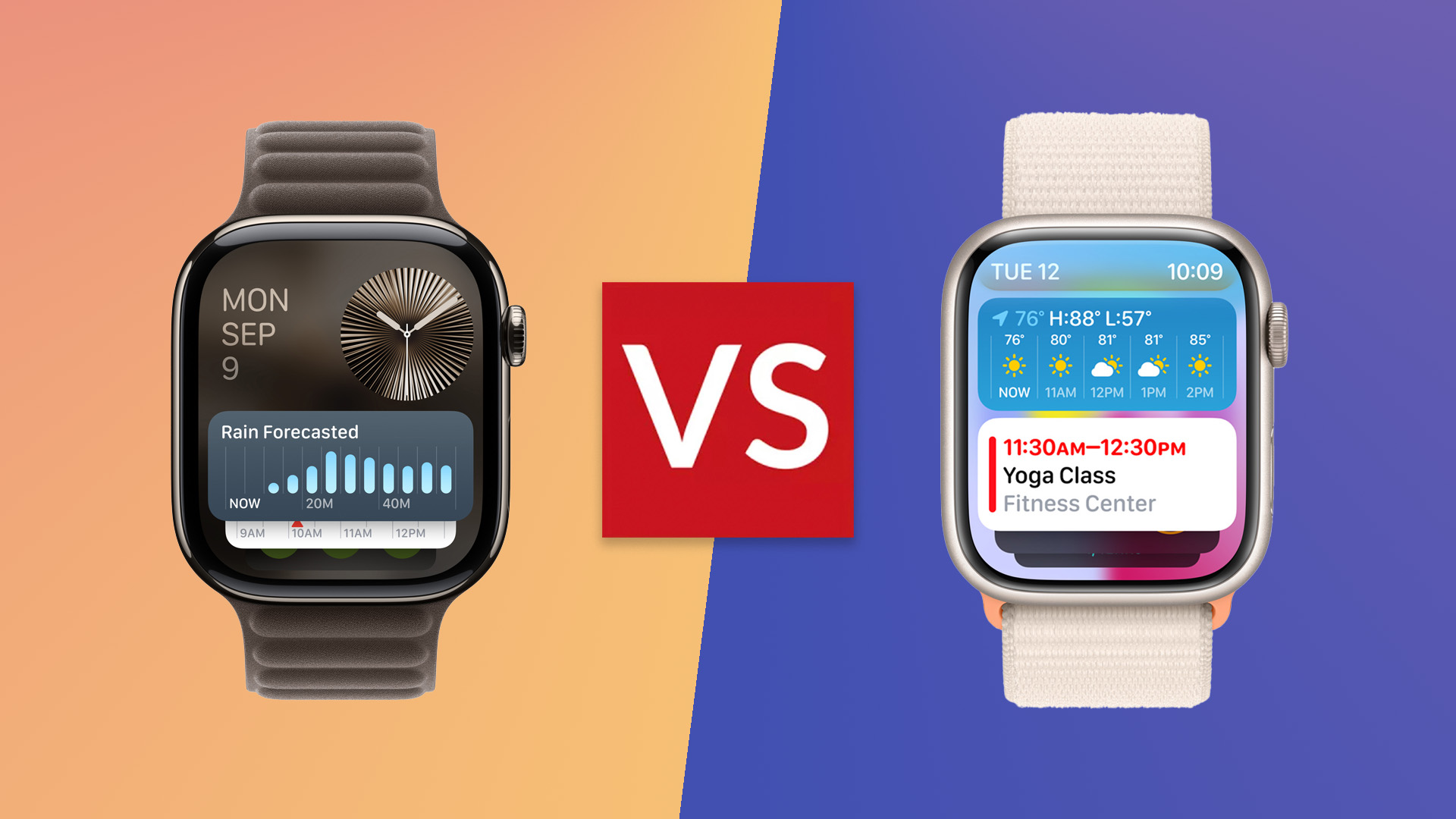
The Smartwatch Divide: Apple Watch Series 10 vs. Budget Contenders in 2025
The year 2025 marks a pivotal point in the evolution of wearable technology. Smartwatches, once a niche gadget, have permeated mainstream consciousness, transforming from mere notification hubs into indispensable health companions, fitness coaches, and seamless extensions of our digital lives. At the apex of this market stands the Apple Watch, an undeniable industry leader. By 2025, we anticipate the release of the Apple Watch Series 10, a device poised to push the boundaries of what a smartwatch can do. Yet, beneath its premium glow, a vibrant ecosystem of budget smartwatches has flourished, offering increasingly sophisticated features at a fraction of the cost.
This article delves into a comprehensive comparison between the hypothetical Apple Watch Series 10 in 2025 and the burgeoning class of budget smartwatches available at the same time. We will explore their anticipated features, performance, health capabilities, design philosophies, and ultimately, help you determine which side of the smartwatch divide best suits your needs and wallet.
The Apple Watch Series 10 (2025 Vision): The Apex of Wearable Innovation
By 2025, the Apple Watch Series 10 is expected to solidify Apple’s dominance by introducing groundbreaking advancements while refining its already polished experience. Building on the iterative improvements of its predecessors, the Series 10 will likely represent a culmination of years of research and development in health monitoring, performance, and user integration.
Anticipated Innovations and Core Strengths:
- Advanced Health Monitoring: This will remain Apple’s strongest suit. Beyond the existing ECG, SpO2, and temperature sensing, the Series 10 is highly anticipated to introduce non-invasive blood glucose monitoring and blood pressure measurement. These features, if perfected, would be revolutionary, moving the Apple Watch from a wellness device to a truly proactive health diagnostic tool, potentially saving lives and significantly impacting chronic disease management. Enhanced sleep tracking with more granular insights into sleep stages and potential disorders will also be a focus.
- Next-Generation Performance & Efficiency: Powered by an even more advanced "S10" SiP (System in Package), the Series 10 will boast unparalleled processing power, enabling smoother animations, faster app loading, and more complex on-device AI computations. This efficiency will also contribute to potentially improved, though still likely sub-2-day, battery life, perhaps reaching a consistent 36-hour mark under typical usage.
- Refined Design & Display: Expect even thinner bezels, potentially a micro-LED display for superior brightness, contrast, and energy efficiency, and new material options for enhanced durability and premium aesthetics. Haptic feedback will likely be more nuanced, and the digital crown could see further interactive enhancements.
- Deeper Ecosystem Integration: The Apple Watch Series 10 will be more seamlessly integrated than ever with the broader Apple ecosystem. This includes enhanced handoff features with iPhones, iPads, and Macs, tighter integration with Apple Health and Fitness+, and potentially new ways to control HomeKit devices or interact with the Vision Pro (if it gains traction). Wallet capabilities will expand globally, and transit support will be more widespread.
- Enhanced Connectivity & AI: Faster Wi-Fi, improved cellular modems (possibly with satellite connectivity for emergencies), and more accurate GPS will be standard. On-device AI processing will enable more personalized coaching, predictive health insights, and a more intuitive Siri experience that understands context and anticipates needs.
Target Audience for Apple Watch Series 10:
The Apple Watch Series 10 will appeal to iPhone users who prioritize cutting-edge technology, comprehensive health tracking, seamless ecosystem integration, and are willing to pay a premium for the best-in-class smartwatch experience. It’s for those who see their smartwatch as a long-term investment in their health and digital lifestyle.
The Landscape of Budget Smartwatches (2025 Vision): Value and Versatility
By 2025, the "budget" smartwatch category will be more sophisticated and diverse than ever. No longer mere step counters, these devices, often priced between $50-$200, will offer a compelling array of features that directly challenge the premium segment, albeit with certain compromises. Brands like Amazfit, Xiaomi, Huawei, OnePlus, and even lower-end offerings from Fitbit (now Google-owned) and Garmin will dominate this space.
Anticipated Evolution and Core Strengths:
- Improved Core Functionality: Basic fitness tracking (steps, calories, distance), heart rate monitoring, and sleep tracking will be highly accurate and standard across the board. Many will include SpO2 monitoring. GPS accuracy will have significantly improved, making them reliable companions for outdoor activities without a phone.
- Enhanced Displays & Design: AMOLED displays will be common, offering vibrant colors and decent brightness. While materials will primarily be plastic or aluminum, designs will be more aesthetically pleasing, mimicking the premium look of their expensive counterparts. Customization through watch faces and straps will be abundant.
- Longer Battery Life: This remains a significant differentiator. Many budget smartwatches will comfortably offer multi-day (5-14 days) battery life on a single charge, with some even pushing towards a month depending on usage. This is a crucial selling point for users who dislike daily charging.
- Smarter Features (Essentials): Notification mirroring, music control, weather updates, and basic call handling will be standard. NFC for payments will be more prevalent, though perhaps limited to specific regions or payment systems. Basic voice assistants might be integrated, but without the deep AI capabilities of premium devices.
- Cross-Platform Compatibility: A major advantage for budget options is their broad compatibility with both Android and iOS devices, offering flexibility that the Apple Watch simply doesn’t.
Target Audience for Budget Smartwatches:
Budget smartwatches cater to a broader audience:
- Android users: Who don’t have the option of an Apple Watch.
- Cost-conscious consumers: Who want essential smartwatch features without breaking the bank.
- First-time smartwatch buyers: Who want to test the waters before committing to a premium device.
- Users prioritizing battery life: Who prefer weeks over days of usage.
- Individuals needing core fitness and notification features: Without the need for advanced medical-grade sensors or extensive app ecosystems.
Head-to-Head Comparison: Series 10 vs. Budget (2025)
Let’s dissect the differences across key categories:
1. Price:
- Apple Watch Series 10: Expected to start around $399-$449 for the GPS model, with cellular variants and larger sizes pushing well over $500, and premium editions potentially reaching $700-$800+.
- Budget Smartwatches: Ranging from $50 to $200. This is the most glaring and impactful difference.
2. Design & Build Quality:
- Apple Watch Series 10: Premium materials (aluminum, stainless steel, titanium), precise engineering, water resistance up to 50m, and often FDA-cleared components. The design language is refined and iconic.
- Budget Smartwatches: Predominantly plastic or aluminum alloy bodies, often with less robust water resistance. While designs are improving, the tactile feel and overall durability often lag behind Apple’s premium finish.
3. Display:
- Apple Watch Series 10: Expect a stunning always-on micro-LED or advanced OLED Retina display with incredibly high pixel density, exceptional brightness (for outdoor visibility), and vibrant color accuracy.
- Budget Smartwatches: Most will feature bright AMOLED displays, offering good color and contrast. However, they might not match Apple’s peak brightness, pixel density, or responsiveness, and always-on display functionality might be more limited or impact battery life significantly.
4. Performance & User Experience:
- Apple Watch Series 10: Powered by custom Apple silicon (S10 SiP), offering unparalleled fluidity, instant app launches, and seamless multitasking. watchOS provides a deeply integrated, intuitive, and feature-rich experience with a vast app store.
- Budget Smartwatches: Performance varies widely. Many will offer smooth enough navigation for basic tasks, but app loading times might be slower, and animations less fluid. Their custom operating systems are generally more basic, focused on core functions, and offer limited third-party app support.
5. Health Monitoring:
- Apple Watch Series 10: This is the Series 10’s undisputed champion. Anticipated features like non-invasive blood glucose and blood pressure monitoring, combined with existing ECG, SpO2, detailed temperature sensing, cycle tracking, and fall detection, place it in a league of its own as a personal health hub. Its sensors are often medical-grade or FDA-cleared.
- Budget Smartwatches: Will offer reliable heart rate tracking, decent SpO2, and sleep tracking. Some might attempt rudimentary blood pressure or temperature, but their accuracy will be questionable and not medically validated. They serve more as wellness trackers than diagnostic tools.
6. Fitness Tracking:
- Apple Watch Series 10: Comprehensive and highly accurate GPS, advanced workout metrics for a wide range of activities, seamless integration with Apple Fitness+, and a rich ecosystem of third-party fitness apps. Activity rings are a powerful motivator.
- Budget Smartwatches: Offer solid fundamental fitness tracking for steps, calories, and various workout modes. GPS accuracy will be good for outdoor activities. However, they often lack the depth of metrics, recovery insights, and vast third-party app integration found on the Apple Watch.
7. Smart Features & Connectivity:
- Apple Watch Series 10: Full cellular connectivity (allowing calls, texts, and streaming without a phone), Apple Pay (NFC) with widespread global acceptance, robust app store, seamless Siri integration, and deep smart home control.
- Budget Smartwatches: Primarily rely on a tethered phone for most smart features. Notifications are standard, and some will offer Bluetooth calling or limited NFC payments (often brand-specific). Third-party app support is minimal to non-existent. Voice assistants are typically rudimentary or require a phone connection.
8. Battery Life:
- Apple Watch Series 10: Despite efficiency improvements, expect 1.5 to 2 days of typical usage. This will still necessitate daily or every-other-day charging.
- Budget Smartwatches: Their strongest practical advantage. Many will offer 5-14 days of battery life, with some simpler models pushing up to a month, making them ideal for users who dislike frequent charging.
9. Ecosystem & Compatibility:
- Apple Watch Series 10: Exclusively for iPhone users. It’s a "walled garden" that offers unparalleled integration and a cohesive experience within the Apple ecosystem but provides no utility for Android users.
- Budget Smartwatches: Universally compatible with both Android and iOS smartphones, making them a versatile choice for anyone regardless of their phone’s operating system.
10. Software Updates & Longevity:
- Apple Watch Series 10: Apple provides years of consistent software updates (typically 5+ years), ensuring new features and security patches, extending the device’s lifespan and value.
- Budget Smartwatches: Software update policies vary greatly by brand. Some offer regular updates for a few years, while others might provide minimal or no significant feature updates after purchase. This can impact long-term usability and security.
11. Privacy & Data Security:
- Apple Watch Series 10: Apple has a strong reputation for user privacy and robust data security, especially concerning sensitive health information. Health data is encrypted and controlled by the user.
- Budget Smartwatches: Policies vary. While reputable brands generally adhere to data protection standards, consumers should be mindful of where their health data is stored and how it’s used, particularly with lesser-known manufacturers.
Who Is It For? Making the Choice in 2025
The decision between the Apple Watch Series 10 and a budget smartwatch in 2025 boils down to a clear set of priorities:
Choose the Apple Watch Series 10 if:
- You own an iPhone: This is non-negotiable.
- You prioritize cutting-edge health monitoring: Especially if you need or anticipate needing features like non-invasive blood glucose or blood pressure monitoring.
- You demand the absolute best performance and user experience: Fluidity, responsiveness, and a vast app ecosystem are paramount.
- You value seamless integration with your digital life: From payments to smart home control and deep iPhone interaction.
- You appreciate premium design and build quality: And are willing to pay for it.
- You want long-term software support and new features: Ensuring your device remains relevant for years.
- Cost is not your primary concern: Or you view the smartwatch as a significant investment in your well-being.
Choose a Budget Smartwatch if:
- You own an Android phone: Or want a smartwatch that works with both Android and iOS.
- You are on a tight budget: And want maximum features for minimal cost.
- You prioritize long battery life: And dislike daily charging routines.
- You need core fitness and health tracking: (Heart rate, SpO2, sleep, steps) but don’t require medical-grade diagnostics.
- You primarily need notifications and basic smart features: Without the need for a vast app store or cellular independence.
- You are a first-time smartwatch buyer: Looking to explore the benefits before investing heavily.
- You value simplicity and ease of use: Without the complexity of a full-fledged smartwatch OS.
Emerging Trends Beyond 2025
Looking slightly beyond 2025, the smartwatch market will continue to evolve rapidly:
- Miniaturization: Sensors will become smaller and more integrated, potentially leading to smarter rings or truly invisible wearables.
- AI Everywhere: More sophisticated on-device AI will enable truly personalized health coaching, predictive insights, and context-aware interactions.
- Non-invasive Sensors: The holy grail of non-invasive glucose and blood pressure will become more common, first in premium, then in budget devices. Other non-invasive vital signs will follow.
- Sustainability: More brands will focus on eco-friendly materials, longer device lifespans, and easier repairability.
- AR Integration: Early forms of augmented reality integration, perhaps through smart glasses that interact with watch data, could begin to emerge.
Conclusion
In 2025, the smartwatch market will offer a clear dichotomy. The Apple Watch Series 10 will stand as a testament to cutting-edge technology, pushing the boundaries of personal health and seamless digital integration, albeit at a premium price point. It will be the undisputed choice for iPhone users seeking the most comprehensive and integrated experience money can buy, particularly those focused on advanced health monitoring.
Conversely, the budget smartwatch segment will continue its impressive ascent, democratizing access to essential wearable technology. These devices will offer incredible value, long battery life, and solid core features, making them highly attractive to Android users and anyone seeking a capable smartwatch without the hefty price tag.
Ultimately, there is no single "best" smartwatch. The optimal choice in 2025 will depend entirely on your smartphone ecosystem, your budget, and most importantly, your personal needs and priorities for a device that lives on your wrist. Whether you opt for the pinnacle of wearable tech or a highly capable budget contender, 2025 promises an exciting and innovative future for smartwatches.