
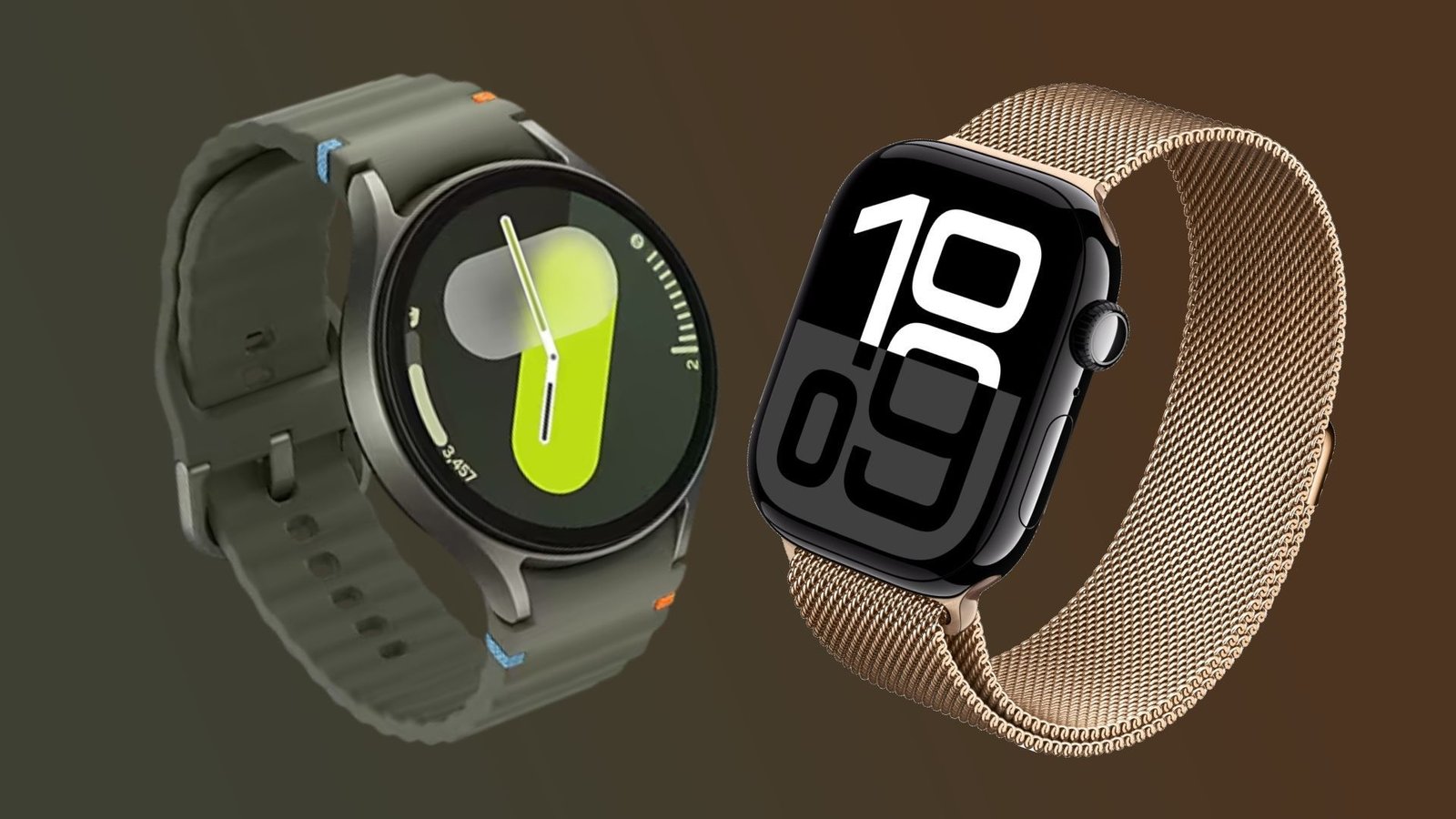
Okay, here is a comprehensive 2000-word article comparing the expected features of the Apple Watch Series 10 and the Samsung Galaxy Watch 8.
The Smartwatch Titans Clash: Apple Watch Series 10 vs. Samsung Galaxy Watch 8 – A Features Review
In the ever-evolving landscape of wearable technology, smartwatches have transcended mere notification devices to become indispensable health companions, fitness trackers, communication hubs, and personal assistants. At the forefront of this innovation stand two colossal rivals: Apple and Samsung. Each year, they push the boundaries of what a wrist-worn device can achieve, captivating millions with their flagship offerings.
As we look towards the future, anticipation is building for the next iterations of their iconic lines: the Apple Watch Series 10 and the Samsung Galaxy Watch 8. While neither device has been officially unveiled at the time of writing, informed speculation, industry trends, and the natural progression of technology allow us to paint a detailed picture of what these titans are likely to bring to the table. This in-depth review will dissect the expected features of both watches, offering a comparative analysis across design, performance, health tracking, battery life, and ecosystem integration, to help you understand which future powerhouse might best suit your wrist.
The Contenders: A Glimpse into the Future
Before diving into the direct comparison, let’s set the stage for each anticipated device.
Apple Watch Series 10 (Expected)
The Apple Watch has consistently been the market leader, synonymous with premium design, seamless integration into the Apple ecosystem, and a strong focus on health and safety. The Series 10, likely launching in late 2024, is expected to represent a significant milestone, potentially marking a decade since the original Apple Watch’s introduction.
While Apple rarely delivers revolutionary design overhauls, the Series 10 is rumored to introduce more substantial internal upgrades and possibly subtle aesthetic refinements. It will build upon the already robust foundation of watchOS, refining existing features and introducing new capabilities that leverage advanced sensor technology. Apple’s strategy has always been about holistic integration, ensuring that the Watch feels like a natural extension of the iPhone, providing unparalleled convenience and peace of mind. Expect improvements in processing power, display technology, and, crucially, a continued push into proactive health monitoring.
Samsung Galaxy Watch 8 (Expected)
Samsung’s Galaxy Watch line has solidified its position as the premier choice for Android users, especially since its pivot to Wear OS powered by Google, augmented by Samsung’s One UI Watch interface. The Galaxy Watch 8, also anticipated for a late 2024 or early 2025 release, will aim to further bridge the gap between a standalone smartwatch and a comprehensive health device.
Building on the success of the Galaxy Watch 6 and its predecessors, the Galaxy Watch 8 is expected to refine Samsung’s dual-model strategy (a standard model and a "Classic" or "Pro" variant with a physical rotating bezel), offering distinct aesthetic and functional choices. Samsung leverages its extensive experience in hardware manufacturing and its partnership with Google to deliver a powerful, versatile smartwatch that offers deep customization and a broad app ecosystem. The focus will likely be on enhanced performance, extended battery life, and the integration of cutting-edge health sensors to compete directly with Apple’s health-centric approach.
Head-to-Head Feature Comparison
Now, let’s pit these future giants against each other across key categories.
1. Design and Display
Apple Watch Series 10:
Apple is renowned for its meticulous design. The Series 10 is expected to retain the iconic rounded-square aesthetic, but rumors suggest a potential for a thinner chassis, reduced bezels, and perhaps new material options beyond the current aluminum, stainless steel, and titanium (for the Ultra). The display will undoubtedly be a vibrant LTPO OLED, offering exceptional brightness, crisp resolution, and an always-on display (AOD) that dynamically adjusts refresh rates for power efficiency. The Digital Crown and side button will remain central to navigation, offering tactile feedback. Apple’s extensive range of first-party and third-party bands will ensure unparalleled customization.
Samsung Galaxy Watch 8:
Samsung offers more variety in its design language. The Galaxy Watch 8 line is expected to continue with both a sleek, modern variant (similar to the current Galaxy Watch 6) and a "Classic" or "Pro" model featuring the beloved physical rotating bezel – a tactile and intuitive navigation method unique to Samsung. Both models will likely sport a circular Super AMOLED display, known for its deep blacks and vibrant colors, offering excellent readability outdoors. Expect improved brightness and perhaps even more robust glass protection. Material choices will likely include aluminum and stainless steel, with the "Pro" model potentially offering titanium. Samsung also boasts a wide array of bands and watch faces, though perhaps not as vast as Apple’s ecosystem.
Comparison:
- Form Factor: Apple sticks to its rounded square; Samsung offers both round and the unique physical bezel. This is a matter of personal preference.
- Display Quality: Both will offer top-tier OLED displays with excellent brightness and AOD. Apple’s LTPO technology might give it a slight edge in power efficiency for AOD.
- Materials: Both offer premium materials, with Apple potentially pushing towards even lighter or more durable options.
- Customization: Both excel here, but Apple’s sheer volume of accessories might give it a slight lead.
2. Performance and Software
Apple Watch Series 10:
The Series 10 will undoubtedly feature a new, more powerful S-series chip (likely S10 or S10 SiP), offering significant performance gains over its predecessors. This will translate to faster app loading, smoother animations, and more efficient background processing for health tracking. The watch will run on watchOS 11, which is expected to introduce new health features, refined UI elements, enhanced third-party app capabilities, and potentially deeper integration with Apple’s AI initiatives. watchOS is known for its intuitive interface, fluid animations, and robust app ecosystem tightly curated by Apple.
Samsung Galaxy Watch 8:
The Galaxy Watch 8 is expected to be powered by a new Exynos W-series chip (e.g., Exynos W940) or potentially a Snapdragon W series chip, custom-designed for Wear OS. This new silicon will bring substantial improvements in processing speed and power efficiency. Running Wear OS 5 (with Samsung’s One UI Watch skin on top), the Galaxy Watch 8 will benefit from Google’s ever-expanding app library and services (Google Maps, Google Assistant, Google Wallet). Samsung’s One UI Watch adds unique features like enhanced watch faces, Bixby integration (alongside Google Assistant), and seamless connectivity with Samsung Galaxy phones. Wear OS has matured significantly, offering a more robust and versatile experience than ever before.
Comparison:
- Processors: Both will feature next-generation chips, ensuring snappy performance. Real-world differences will likely be negligible for most tasks.
- Operating Systems: This is the most significant differentiator.
- watchOS: Highly refined, incredibly fluid, deeply integrated with iOS, strong focus on first-party apps and curated experiences. Limited to iPhone users.
- Wear OS + One UI Watch: More open, broader app ecosystem via Google Play Store, greater customization potential, but can sometimes feel less "polished" than watchOS (though it’s closing the gap). Compatible with a wider range of Android phones.
- App Ecosystem: Both have rich app ecosystems, but the nature of the apps and their integration differs. Apple’s is more vertically integrated; Wear OS is broader thanks to Google Play.
3. Health and Fitness Tracking
This is where the competition truly heats up, with both companies vying for supremacy in personal health monitoring.
Apple Watch Series 10:
The Series 10 will undoubtedly carry forward all existing health features:
- Heart Rate Monitoring: Continuous, high/low heart rate notifications, irregular rhythm notifications (AFib detection).
- ECG (Electrocardiogram): On-demand ECG to detect signs of AFib.
- Blood Oxygen (SpO2): On-demand measurements and background tracking.
- Sleep Tracking: Detailed sleep stages, sleep goal setting.
- Temperature Sensing: For cycle tracking (fertility insights) and retrospective ovulation estimates.
- Activity Tracking: Rings system (Move, Exercise, Stand), automatic workout detection, comprehensive workout modes.
- Safety Features: Fall Detection, Crash Detection (for severe car crashes), Emergency SOS, International Emergency Calling.
- Mental Health: Mindfulness app, Mood logging, Reflection.
Potential Breakthroughs (Highly Speculative):
- Non-invasive Blood Glucose Monitoring: This is the "holy grail" of health tech. While highly unlikely to be fully integrated in Series 10 due to immense technical and regulatory hurdles, whispers persist about a passive, non-invasive system that could provide trend data rather than precise readings. If even a rudimentary version is implemented, it would be a monumental achievement.
- Blood Pressure Monitoring: Similar to glucose, this is a complex feature for a wrist device. If implemented, it would likely involve an on-demand measurement system (perhaps requiring a specific calibration or method) rather than continuous cuff-like readings, offering trend data for hypertension management.
- Advanced Sleep Apnea Detection: More sophisticated algorithms or sensors to better detect sleep disturbances.
Samsung Galaxy Watch 8:
The Galaxy Watch 8 will also inherit a robust suite of health features:
- Heart Rate Monitoring: Continuous, high/low heart rate alerts.
- ECG (Electrocardiogram): On-demand ECG to detect signs of AFib.
- Blood Oxygen (SpO2): On-demand measurements and background tracking.
- Sleep Tracking: Advanced sleep stage analysis, snore detection (via paired phone), sleep coaching.
- Skin Temperature: For cycle tracking and general wellness insights.
- Body Composition Analysis (BIA): Using bioelectrical impedance, it measures body fat percentage, skeletal muscle mass, and body water – a unique feature for smartwatches.
- Blood Pressure Monitoring: Currently available in select regions (requires calibration with a traditional cuff), providing on-demand measurements. This is a significant differentiator.
- Activity Tracking: Daily Activity Goal, automatic workout detection, over 100 workout modes, advanced running metrics.
- Safety Features: Fall Detection, Emergency SOS.
- Health Platform: Samsung Health provides a comprehensive dashboard for all health data.
Potential Breakthroughs (Highly Speculative):
- Enhanced Blood Pressure Accuracy/Regulation: Expanding availability and improving the user experience for its existing blood pressure monitoring.
- Non-invasive Blood Glucose Monitoring: Similar to Apple, Samsung is also heavily invested in this research. While a full solution is unlikely, any progress here would be groundbreaking.
- Advanced Health Coaching: Leveraging AI to provide more personalized health and fitness recommendations.
Comparison:
- Core Metrics: Both offer excellent heart rate, ECG, SpO2, and sleep tracking.
- Unique Features:
- Apple: Crash Detection, more mature ecosystem for medical research and data sharing (e.g., with doctors via Apple Health records). Strong focus on privacy.
- Samsung: Body Composition Analysis (BIA) is a standout feature. Existing blood pressure monitoring (though regionally limited and requiring calibration) gives it a lead. Snore detection is also unique.
- Future Health: Both are racing to implement non-invasive blood glucose and more reliable blood pressure monitoring. Whoever achieves it first, or even shows significant progress, will gain a massive advantage. Apple’s regulatory prowess might give it an edge in getting such features approved globally, but Samsung’s existing BP feature shows its commitment.
4. Battery Life
Battery life remains a significant challenge for feature-rich smartwatches.
Apple Watch Series 10:
Apple typically promises "all-day battery life," which for them means around 18 hours of mixed usage, or 36 hours with Low Power Mode. The Series 10 is expected to bring a more efficient processor and display, which could translate to slightly improved endurance, perhaps pushing standard usage closer to 24 hours without Low Power Mode. Fast charging will undoubtedly remain. The Apple Watch Ultra line, with its much larger battery, offers multi-day endurance, but that’s a separate product tier.
Samsung Galaxy Watch 8:
Samsung has been working hard to improve battery life on its Wear OS watches. The Galaxy Watch 8 is expected to feature larger batteries and more power-efficient components. While the standard model might still aim for 1.5 to 2 days of mixed usage, a "Pro" variant could offer 3-4 days, especially if it adopts a larger form factor and battery. Fast charging is also a given. Wear OS 5 itself is expected to bring significant power optimizations.
Comparison:
- Standard Models: Samsung’s standard Galaxy Watch 8 might offer slightly better everyday endurance than the Series 10.
- Extended Use: If Samsung continues with a "Pro" or "Ultra" equivalent, it will likely offer multi-day battery life, potentially surpassing Apple’s standard Series 10 in this regard. Apple’s true multi-day solution is the Apple Watch Ultra.
- Charging: Both will offer fast wireless charging.
5. Connectivity and Smart Features
Apple Watch Series 10:
- Connectivity: GPS, Wi-Fi, Bluetooth, NFC (Apple Pay), Cellular (optional LTE models).
- Communication: Full calling, texting, and Walkie-Talkie functionality.
- Smart Home: Control HomeKit devices directly from the wrist.
- Voice Assistant: Siri, deeply integrated and responsive.
- Other: Find My (devices, items, people), remote camera shutter, Apple Maps navigation, extensive third-party app support for things like music streaming, smart locks, etc.
Samsung Galaxy Watch 8:
- Connectivity: GPS, Wi-Fi, Bluetooth, NFC (Google Wallet/Samsung Pay), Cellular (optional LTE models).
- Communication: Full calling, texting, and Google Messages integration.
- Smart Home: Control SmartThings devices and other Google Home-compatible devices.
- Voice Assistant: Google Assistant and Bixby.
- Other: Find My Device, remote camera control, Google Maps navigation, broad app support via Google Play Store (including popular streaming apps, fitness apps, etc.).
Comparison:
- Core Connectivity: Both are equally capable with all standard wireless protocols and optional cellular.
- Payments: Both offer robust mobile payment solutions (Apple Pay vs. Google Wallet/Samsung Pay).
- Voice Assistants: Apple has Siri. Samsung offers both Google Assistant (which is often preferred by Android users) and Bixby.
- Smart Home: Both integrate well into their respective ecosystems (HomeKit vs. SmartThings/Google Home).
- Overall Smart Features: Functionally very similar, offering comprehensive notification management, communication, and utility features. The difference lies in the underlying ecosystem.
6. Ecosystem and Compatibility
This is arguably the most crucial deciding factor for potential buyers.
Apple Watch Series 10:
The Apple Watch Series 10 is exclusively compatible with iPhones. This "walled garden" approach allows Apple to create an incredibly seamless and integrated user experience. Features like Handoff, Continuity, and deep ties with Apple Health, Fitness+, Apple Music, and iCloud are unparalleled. The watch is designed to be a perfect extension of your iPhone, offering a cohesive experience across all Apple devices. This is a strength for iPhone users but a complete barrier for Android users.
Samsung Galaxy Watch 8:
The Samsung Galaxy Watch 8, running Wear OS, is primarily designed for Android smartphones. While it works best with Samsung Galaxy phones (unlocking features like Samsung Health Monitor for ECG/BP, and deeper SmartThings integration), it is compatible with most Android devices running a recent version of Android (e.g., Android 8.0 or later with 1.5GB RAM). It is not compatible with iPhones. This broader Android compatibility is a major advantage for non-Samsung Android users, offering a premium smartwatch experience without being tied to a specific phone brand within the Android ecosystem.
Comparison:
- Compatibility: Apple Watch is iOS-exclusive. Galaxy Watch is Android-exclusive. Your smartphone dictates your choice.
- Ecosystem Integration: Both offer phenomenal integration within their respective ecosystems. Apple’s integration often feels slightly more refined and seamless due to its closed nature. Samsung’s integration with Google services on Wear OS is strong, and its integration with Samsung phones is also excellent, but it’s a slightly more diverse ecosystem.
Conclusion: Which Future Titan Reigns Supreme for You?
The anticipated Apple Watch Series 10 and Samsung Galaxy Watch 8 are set to be formidable competitors, each pushing the boundaries of wearable technology. Both will offer cutting-edge performance, stunning displays, and incredibly comprehensive health and fitness tracking capabilities. The race for non-invasive blood glucose monitoring and more widespread blood pressure monitoring will be a defining battleground for future generations of smartwatches.
Choose the Apple Watch Series 10 if:
- You own an iPhone. This is the non-negotiable prerequisite.
- You value seamless integration and a highly polished user experience. The Apple Watch feels like a natural extension of your iPhone.
- You prioritize comprehensive safety features like Crash Detection and a robust Emergency SOS system.
- You are deeply invested in the Apple ecosystem (Apple Health, Fitness+, Apple Pay, HomeKit).
- You prefer the iconic rounded-square design.
Choose the Samsung Galaxy Watch 8 if:
- You own an Android smartphone. While it works best with Samsung Galaxy phones, it’s compatible with most Android devices.
- You appreciate design variety, including the option for a physical rotating bezel.
- You desire unique health insights like Body Composition Analysis (BIA) and potentially more accessible blood pressure monitoring.
- You prefer the broader app availability and customization offered by Wear OS and Google services.
- You might want slightly better multi-day battery life from a potential "Pro" or "Classic" model.
Ultimately, the choice between the Apple Watch Series 10 and the Samsung Galaxy Watch 8 will likely boil down to the smartphone you carry. Both companies are at the pinnacle of smartwatch innovation, offering devices that will enhance your daily life, monitor your health, and keep you connected in increasingly sophisticated ways. Whichever you choose, you’ll be investing in a piece of technology that promises to be a powerful and intelligent companion on your wrist. The future of smartwatches is bright, and these two giants are leading the charge.
