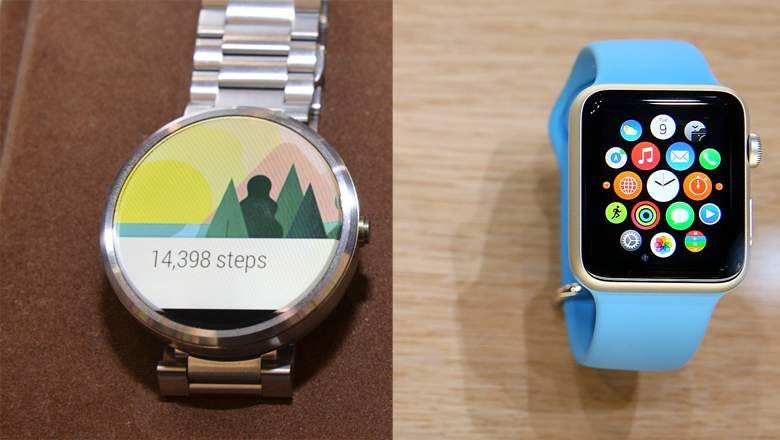
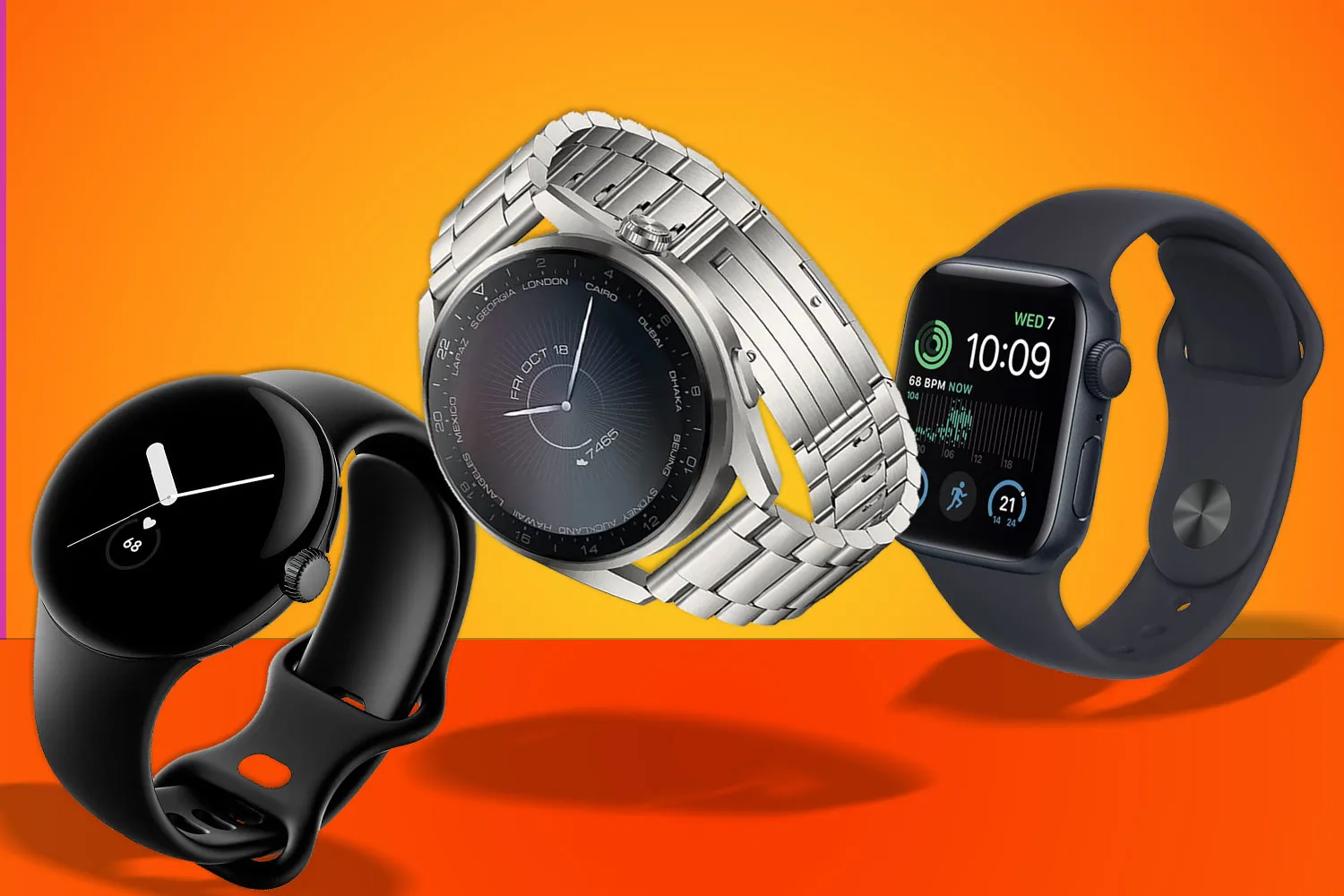
Apple Watch vs. Android Smartwatches 2025: A Head-to-Head Ecosystem Clash
The year 2025 finds the smartwatch market maturing, yet still intensely dynamic. What was once a niche gadget has evolved into an indispensable extension of our digital lives, a personal health guardian, and a seamless communication hub. At the heart of this evolution lies the perennial battle between two tech titans: Apple, with its dominant Apple Watch, and the sprawling, diverse ecosystem of Android smartwatches, primarily powered by Google’s Wear OS, but also encompassing strong players like Samsung and Fitbit.
This head-to-head comparison in 2025 isn’t just about specifications; it’s a clash of philosophies, a test of ecosystem integration, and a preview of the future of wearable technology. Both platforms have made monumental strides, addressing past weaknesses and leveraging their core strengths. But which one stands taller, and more importantly, which one is the right choice for you?
1. Design and Build Quality: Aesthetics Meet Functionality
Apple Watch (2025 Perspective):
By 2025, the Apple Watch has largely retained its iconic rectangular form factor, a testament to its highly optimized display real estate for information density. However, Apple has continued to refine its design language, potentially offering slightly more curved edges for a softer aesthetic, and perhaps even exploring new material options beyond aluminum, stainless steel, and titanium. Expect thinner profiles and even lighter weights, pushing the boundaries of miniaturization.
Customization remains a core strength, with an unparalleled range of first-party and third-party bands in various materials, colors, and designs, allowing users to personalize their device for any occasion, from a rigorous workout to a formal event. The Digital Crown, haptic feedback, and a seamlessly integrated display remain hallmarks of Apple’s premium build quality and intuitive interaction. While rumors of a round Apple Watch persist, by 2025, it’s more likely Apple will have doubled down on the rectangular form, optimizing it further for glanceable information and touch interactions.
Android Smartwatches (2025 Perspective):
The Android smartwatch landscape in 2025 is a vibrant mosaic of designs, a stark contrast to Apple’s singular vision. Manufacturers like Samsung, Google (with Pixel Watch), Fossil, Mobvoi, and even more specialized brands like Garmin (integrating Wear OS into some models) offer a smorgasbord of choices. The defining characteristic here is variety: from classic circular watch faces that mimic traditional timepieces, to sportier rugged designs, and sleeker, more minimalist rectangular options.
Material choices are equally diverse, ranging from affordable plastics and aluminum to premium stainless steel, ceramic, and even sapphire glass on higher-end models. This variety extends to band compatibility, with most Android smartwatches supporting standard watch band sizes, opening up a universe of aftermarket options. Samsung, in particular, continues to lead with its sophisticated, often circular designs that blur the line between tech gadget and luxury accessory. Google’s Pixel Watch line has matured, offering a more cohesive, pebble-like aesthetic with premium finishes.
Head-to-Head: For sheer variety and the ability to choose a design that perfectly matches your personal style, Android smartwatches undeniably win. If you prioritize a classic, traditional watch look, Android is your only choice. However, if you appreciate a consistent, highly refined, and instantly recognizable design with a vast ecosystem of first-party accessories, the Apple Watch stands unmatched in its premium execution and cohesive user experience within its design philosophy.
2. Health and Fitness Tracking: Your Personal Wellness Guardian
Apple Watch (2025 Perspective):
By 2025, the Apple Watch has solidified its position as the gold standard for consumer health tracking. Building upon its FDA-cleared ECG, blood oxygen saturation (SpO2) monitoring, and temperature sensing, Apple has pushed the envelope further. While non-invasive, continuous blood glucose monitoring for the general public might still be a few years away from a truly medical-grade solution, the 2025 Apple Watch likely features advanced trend-based glucose sensing capabilities, providing invaluable insights for pre-diabetics and those managing their blood sugar without the need for traditional finger pricks.
Blood pressure monitoring, potentially cuff-less and integrated into the wrist, is also a strong possibility, offering continuous or on-demand readings. Sleep tracking has become even more sophisticated, offering deep insights into sleep stages, breathing irregularities (like sleep apnea detection), and personalized recommendations for improving sleep hygiene. Mental wellness features, leveraging AI to detect stress patterns and offer mindfulness exercises, are also more deeply integrated. The Activity Rings and robust workout tracking remain central, now enhanced with more granular metrics, advanced recovery insights, and potentially more precise multi-sport tracking capabilities that rival dedicated sports watches. The tight integration with Apple Health provides a comprehensive, centralized health record.
Android Smartwatches (2025 Perspective):
Android smartwatches have significantly closed the gap in health tracking, largely driven by Samsung’s advancements and Google’s deeper integration of Fitbit’s expertise into Wear OS. By 2025, premium Android watches (like the Samsung Galaxy Watch and Pixel Watch) offer a comparable suite of sensors: ECG, SpO2, skin temperature, and advanced sleep tracking. While they may lag slightly behind Apple in terms of FDA clearances across the board, their data accuracy has improved dramatically.
The focus on the Android side is often on a more open approach to health data. Users can choose from various fitness apps (Google Fit, Samsung Health, Fitbit, Strava, MyFitnessPal) and often sync data between them more freely. Specialized Android smartwatches, particularly those from brands like Garmin, continue to excel in niche areas like advanced running dynamics, multi-day battery for ultra-endurance events, and deeper outdoor navigation features. By 2025, we see more Android watches adopting advanced bio-impedance sensors for body composition analysis, and a greater emphasis on personalized fitness coaching driven by on-device AI.
Head-to-Head: The Apple Watch, by 2025, likely maintains its edge in the breadth of clinically validated health features and the seamless, privacy-focused integration with the Apple Health ecosystem. Its proactive health alerts and emergency features (fall detection, crash detection) are unparalleled. However, premium Android watches are formidable competitors, offering a rich array of health sensors and often more flexibility in terms of app choice and data export. For serious athletes or outdoor enthusiasts, specialized Android-compatible watches from brands like Garmin might still offer a more tailored experience.
3. Software and Ecosystem Integration: The Seamless Experience
Apple Watch (2025 Perspective):
WatchOS, by 2025, has become an even more refined and intuitive operating system. Its strength lies in its deep integration with iOS. Notifications are perfectly synced, calls and messages are seamless, and Apple Pay works flawlessly. The App Store for WatchOS offers a curated selection of high-quality applications, optimized for the small screen. Features like Handoff allow users to start tasks on their watch and seamlessly continue them on their iPhone or Mac.
Siri is more intelligent and context-aware, capable of complex queries and proactive suggestions. The focus remains on privacy and data security, with on-device processing for many tasks. Family Setup has expanded, allowing more robust management of watches for children or older adults without an iPhone. The continuity between Apple devices — iPhone, AirPods, Apple Watch, and even the Vision Pro — is a key differentiator, creating an unparalleled, frictionless user experience.
Android Smartwatches (2025 Perspective):
Wear OS has undergone a dramatic transformation by 2025. The collaboration between Google and Samsung on Wear OS 3+ has yielded a significantly more polished, fluid, and feature-rich experience. The fragmentation that plagued earlier versions has been largely addressed, leading to a more consistent user interface across different brands. Google Assistant is more powerful and integrated, capable of controlling smart home devices and providing proactive information.
Google’s services – Google Maps, Google Wallet, Gmail, YouTube Music – are seamlessly integrated. The Google Play Store for Wear OS has matured, offering a wider array of apps, though the quality can still vary more widely than on WatchOS. Android smartwatches, particularly those from Samsung, also boast strong integration with their respective phone ecosystems (e.g., Samsung Health with Galaxy phones), mimicking Apple’s approach. Cross-device communication within the broader Android ecosystem has improved, though it still might not reach the same level of effortless continuity as Apple’s walled garden.
Head-to-Head: For sheer ecosystem synergy, seamless integration across devices, and a consistently high-quality app experience, the Apple Watch and WatchOS remain the undisputed champions, but only if you’re an iPhone user. The "it just works" philosophy is strong here. However, Wear OS has made incredible strides. For Android users, the 2025 Wear OS offers a highly competent, customizable, and feature-rich experience that finally feels like a truly modern smartwatch OS, with the added benefit of Google’s vast services. The choice here is less about superiority and more about your existing smartphone ecosystem.
4. Performance and Battery Life: Powering Your Day (and Beyond)
Apple Watch (2025 Perspective):
Apple’s custom silicon (S-series chips) has always been a cornerstone of the Apple Watch’s fluid performance. By 2025, these chips are even more power-efficient and capable, enabling faster app launches, smoother animations, and more complex on-device AI processing. While multi-day battery life for the standard Apple Watch (excluding Ultra models) remains a challenge due to its powerful display and feature set, Apple has likely pushed typical usage to a comfortable 36-48 hours, with low-power modes extending it further. The Apple Watch Ultra, designed for adventurers, consistently offers multi-day battery life (3-5 days under typical use) with its larger battery and more efficient components. Fast charging remains a standard feature across the lineup.
Android Smartwatches (2025 Perspective):
The introduction of Qualcomm’s Snapdragon W5+ Gen 1 platform (and its successors by 2025) has been a game-changer for Android smartwatches, bringing significant improvements in power efficiency and performance. Manufacturers like Samsung and Google also leverage their custom chipsets (Exynos W9300 series, Pixel Watch chipsets) which are now highly optimized for Wear OS. This has led to a much smoother, more responsive user experience across the board, eliminating the lag and stutter often associated with older Android smartwatches.
Battery life on Android smartwatches in 2025 is more varied but generally improved. Many premium models now comfortably offer 2-3 days of battery life with always-on displays, and some specialized models (e.g., Mobvoi TicWatch, certain Garmin models running Wear OS) push to 4-5 days or even longer in essential mode. Fast charging is also prevalent, allowing for quick top-ups. The diversity of hardware means you can find Android watches optimized for either raw performance or extreme battery longevity, depending on your priorities.
Head-to-Head: Both platforms have made significant strides. Apple Watch, particularly the Ultra, offers robust multi-day battery life, while the standard models are now much more palatable for multi-day use. Android smartwatches, thanks to new chipsets and better software optimization, have dramatically improved, offering competitive battery life across the board and even surpassing Apple in some niche long-endurance models. Performance is largely excellent on both sides for their respective premium offerings, with fluidity and responsiveness being the norm.
5. Smart Features and Connectivity: Beyond the Basics
Apple Watch (2025 Perspective):
Beyond health and fitness, the Apple Watch excels in core smart features. Apple Pay is ubiquitous and incredibly convenient. Cellular connectivity (eSIM) is standard on many models, allowing for phone-free calls, messages, and streaming. Advanced safety features like Crash Detection, Fall Detection, and Emergency SOS via Satellite (potentially expanded to more regions or even direct satellite messaging for non-emergency situations) are core to its value proposition. Smart home control via HomeKit is seamless. The integration with AirPods for audio is effortless.
Android Smartwatches (2025 Perspective):
Android smartwatches also offer a comprehensive suite of smart features. Google Wallet provides tap-to-pay functionality, and cellular variants (eSIM) are common for untethered use. Google Assistant is a powerful voice assistant, offering smart home control for various ecosystems (Google Home, Matter-compatible devices). Notification handling is robust, and the ability to respond to messages directly from the wrist is standard. Navigation with Google Maps is excellent. While emergency features like fall detection are present on many premium models, they may not always match the breadth or the direct emergency service integration of Apple’s offerings.
Head-to-Head: Both platforms are highly capable in terms of core smart features. Apple’s unique selling points remain its industry-leading safety features and the extremely polished Apple Pay experience. Android’s strength lies in the versatility of Google Assistant and its broader compatibility with various smart home ecosystems. For the average user, both will provide an excellent daily smart experience.
6. Pricing and Value Proposition: The Cost of Convenience
Apple Watch (2025 Perspective):
The Apple Watch continues to occupy the premium segment of the market. The SE model serves as an accessible entry point, while the standard Apple Watch (Series X/XI) and the Apple Watch Ultra represent the mid-to-high and ultra-premium tiers, respectively. While initial purchase costs might be higher, Apple’s strong resale value and long software update support contribute to a lower total cost of ownership over time. The value proposition is built on seamless integration, robust health features, and a consistently premium experience.
Android Smartwatches (2025 Perspective):
The Android smartwatch market is far more diverse in its pricing. You can find entry-level Wear OS watches for under $200, offering basic smart features. Mid-range options from brands like Fossil or Mobvoi typically range from $250-$400, balancing features and affordability. Premium Android watches, particularly the Samsung Galaxy Watch and Google Pixel Watch lines, directly compete with the standard Apple Watch in the $300-$500 range. Specialized smartwatches from Garmin or Suunto (which may run a modified Wear OS or have strong Wear OS compatibility) can exceed $600 for their advanced features. This wide price spectrum means there’s an Android smartwatch for nearly every budget.
Head-to-Head: For budget-conscious consumers, Android smartwatches offer significantly more choice and accessibility. You can get a very capable smartwatch experience at a lower price point than the Apple Watch. However, for those who value the premium build, deep ecosystem integration, and advanced health capabilities that Apple offers, the Apple Watch’s price is often justified. The value proposition is different: Apple sells a cohesive, premium experience; Android sells choice and diversity.
7. Privacy and Security: Protecting Your Data
Apple Watch (2025 Perspective):
Apple’s unwavering commitment to user privacy is deeply embedded in the Apple Watch. Health data is encrypted on-device and in iCloud (if syncing is enabled), and Apple emphasizes that it does not sell user data. Features like on-device processing for Siri and machine learning tasks minimize data sent to the cloud. Users have granular control over what data is shared with third-party apps. Biometric authentication (wrist detection, passcode) keeps the device secure.
Android Smartwatches (2025 Perspective):
Privacy and security on Android smartwatches are more varied, depending on the manufacturer. Google has made significant strides with Wear OS, implementing robust security features and offering more user control over data. Samsung, too, has its own privacy policies for Samsung Health. However, given the open nature of Android, the responsibility often falls on the user to understand the privacy policies of individual app developers and watch manufacturers. While data is generally encrypted, the ecosystem’s inherent openness means there can be more points of potential vulnerability if not managed carefully.
Head-to-Head: Apple maintains a slight edge in its explicit, company-wide commitment to privacy and its integrated approach to data security. While premium Android watches have significantly improved, the fragmentation of the Android ecosystem means that privacy practices can vary more widely across different brands and apps.
Emerging Trends and The Future (Beyond 2025):
- Advanced Biometrics: Beyond glucose and BP, expect to see more research into non-invasive hydration monitoring, continuous core body temperature, and even advanced neurological sensing for early detection of conditions or stress markers.
- AI and Personalization: Smartwatches will become even more proactive, leveraging on-device AI to provide hyper-personalized health insights, training recommendations, and even mental wellness support tailored to individual needs and patterns.
- Extended Reality Integration: While still nascent, smartwatches could become control hubs for AR/VR experiences, offering haptic feedback and gesture controls for glasses like Apple Vision Pro or future Android-based headsets.
- Sustainability and Repairability: As tech matures, both Apple and Android manufacturers will face increasing pressure to design more repairable devices and use more recycled materials, a trend that will impact design and component choices.
- Specialized Use Cases: Beyond general wellness, we’ll see more smartwatches tailored for specific medical conditions, industrial applications, or extreme sports, leveraging their robust sensor arrays.
The Verdict: Ecosystem Determines Destiny
In 2025, the choice between an Apple Watch and an Android smartwatch remains, at its core, a decision dictated by your smartphone.
-
For iPhone Users: The Apple Watch is still the undeniable champion. Its unparalleled ecosystem integration, advanced health features (especially those with clinical validation), industry-leading safety features, and premium, cohesive experience make it the logical and most rewarding choice. No Android smartwatch, regardless of its advancements, can replicate the seamless "Apple experience."
-
For Android Users: The landscape is rich and exciting. The advancements in Wear OS, coupled with powerful hardware from Samsung, Google, and others, mean that Android users no longer have to settle. You can now get a genuinely premium, high-performance, and feature-packed smartwatch with excellent health tracking and a vast array of design choices. If you prioritize design variety, a more open ecosystem, or specific niche features (like extreme battery life or advanced sports metrics), Android smartwatches offer compelling options that rival, and in some aspects surpass, what Apple offers.
Ultimately, 2025 showcases a highly competitive smartwatch market where both Apple and Android have honed their strengths and addressed their weaknesses. The battle isn’t about one being definitively "better" than the other, but rather about which ecosystem best serves your needs, your preferences, and your smartphone. The future of wearables is vibrant, and consumers on both sides of the fence are the real winners.