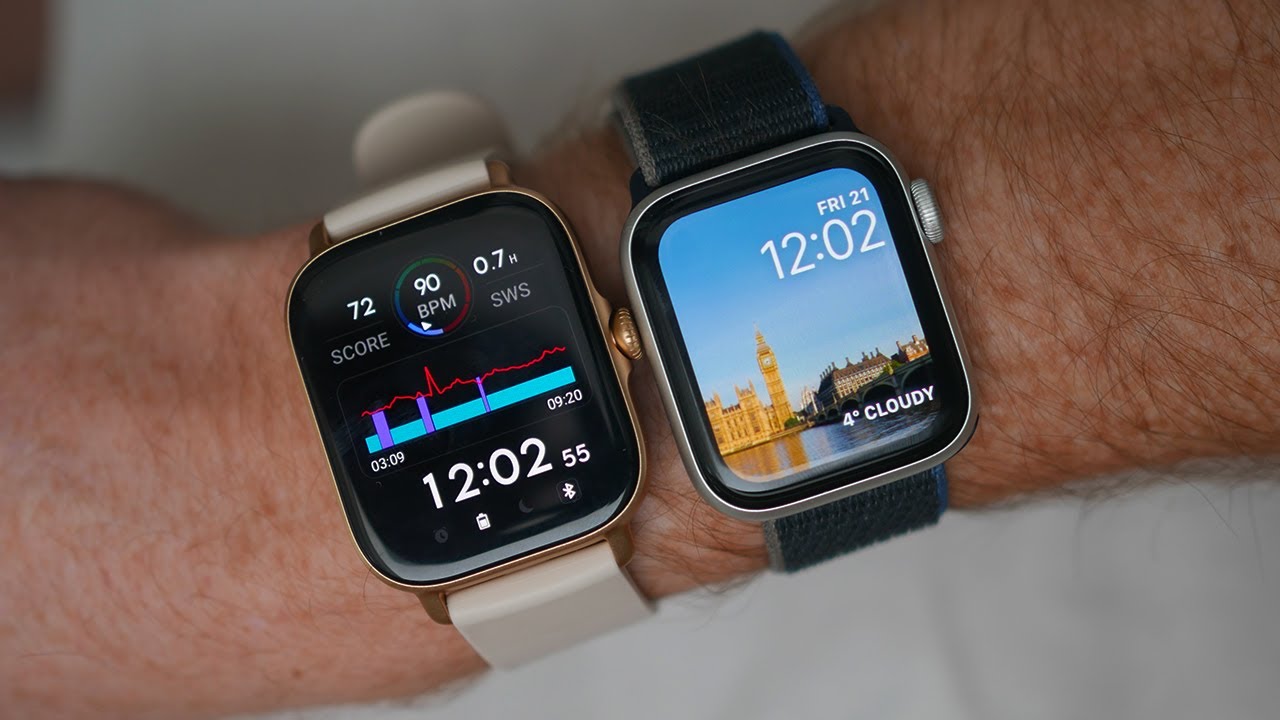
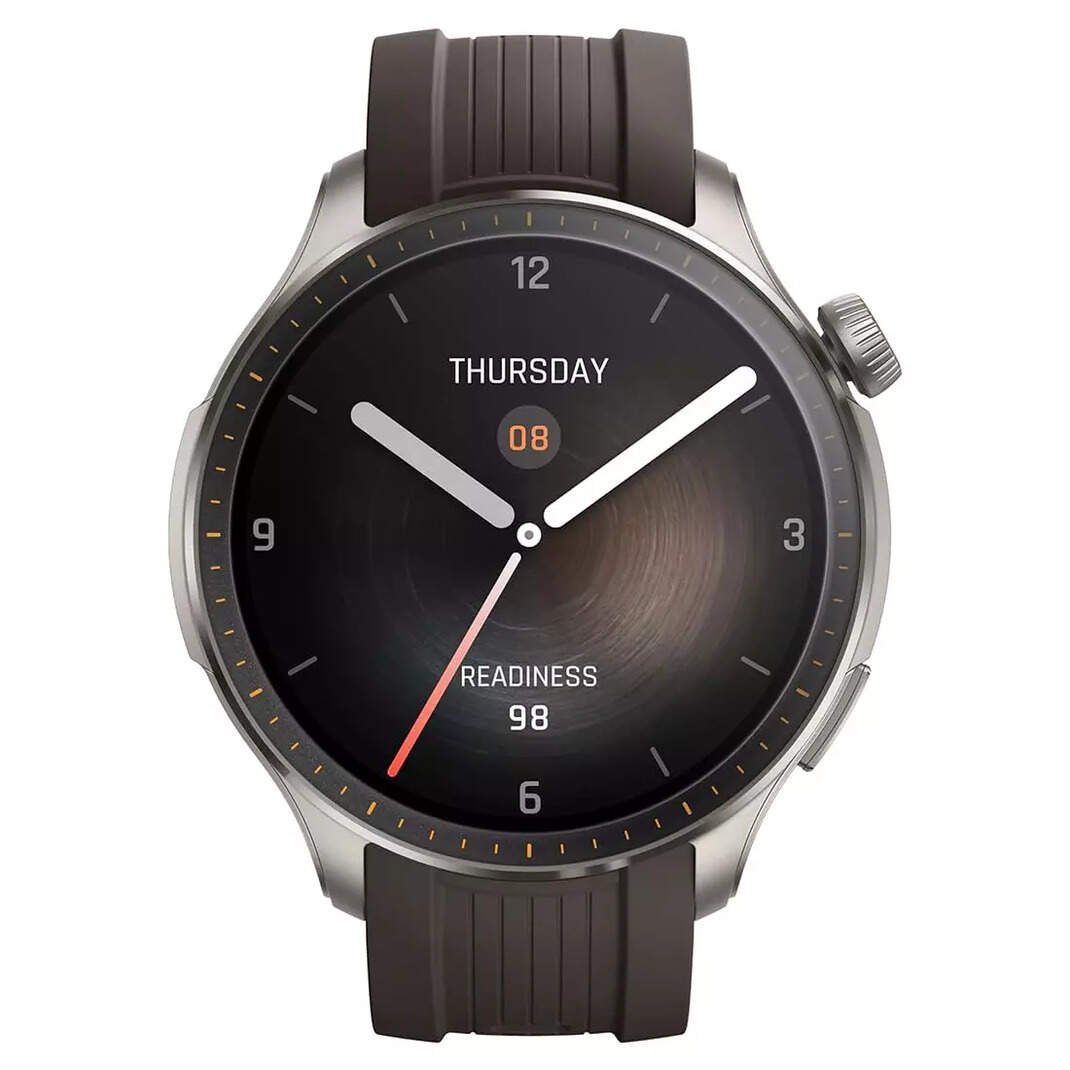
Apple Watch Series 10 vs. Amazfit GTR 5: A 2025 Wearable Showdown
The year is 2025, and the wearable technology landscape continues its relentless evolution. Smartwatches have transitioned from niche gadgets to indispensable personal assistants, health monitors, and fitness coaches. At the forefront of this revolution stand two titans, each approaching the market from a distinct philosophy: Apple, with its premium, ecosystem-driven Apple Watch, and Amazfit, with its value-packed, battery-life-centric GTR series. As we look at the hypothetical Apple Watch Series 10 and the Amazfit GTR 5, the choice for consumers becomes more nuanced, defined not just by features, but by lifestyle, budget, and technological priorities.
This in-depth comparison will dissect every facet of these two hypothetical devices, projecting their capabilities and appeal based on current trends and anticipated technological advancements.
1. Design and Build Quality: Aesthetics Meet Ergonomics
By 2025, both Apple and Amazfit will have refined their design languages, but their core philosophies will remain distinct.
Apple Watch Series 10:
The Series 10 is expected to continue Apple’s iconic rectangular, slightly curved design, a form factor that has become instantly recognizable. However, incremental refinements are inevitable. We might see even slimmer bezels, leading to a larger effective display area within a similar footprint. Materials will remain premium: aerospace-grade aluminum, stainless steel, and perhaps even a more robust, scratch-resistant titanium or a new ceramic compound for the Ultra variant. The Digital Crown and side button will be meticulously engineered for tactile feedback. Haptic feedback will be even more precise, offering nuanced alerts and interactions. Water resistance will likely be enhanced, moving beyond 50 meters for swimming to potentially deeper dives for specialized activities. Customization through an even wider array of first- and third-party bands will remain a cornerstone of the Apple Watch experience, appealing to fashion-conscious users. The build quality will exude a sense of luxury and durability, justifying its premium price point.
Amazfit GTR 5:
The Amazfit GTR 5, by contrast, will likely maintain its elegant, circular watch face, appealing to users who prefer a more traditional timepiece aesthetic. Zepp Health, Amazfit’s parent company, has consistently focused on sleek, lightweight designs. The GTR 5 is anticipated to feature a refined unibody aluminum alloy casing, possibly with a ceramic or hardened plastic back to optimize sensor performance and comfort. While not as overtly luxurious as the Apple Watch, the GTR 5 will offer a sophisticated look with attention to detail, such as chamfered edges and polished buttons. Its thinner profile and lighter weight will contribute to superior comfort during extended wear and sleep tracking. Water resistance will be on par with its predecessors, comfortably handling swimming and everyday splashes. Amazfit’s strength lies in offering a premium look and feel at a more accessible price, and the GTR 5 will undoubtedly continue this tradition, providing a robust and aesthetically pleasing device without the premium material costs of Apple.
2. Display Technology: Clarity, Brightness, and Efficiency
The display is the primary interface, and both companies will push the boundaries of visual excellence.
Apple Watch Series 10:
Apple will undoubtedly equip the Series 10 with its latest generation LTPO (low-temperature polycrystalline oxide) OLED Retina display. This technology allows for dynamic refresh rates, dipping as low as 1Hz for Always-On Display (AOD) to conserve battery, and ramping up to ensure buttery-smooth animations. Brightness levels could reach an astounding 2500-3000 nits peak, ensuring perfect readability even under direct sunlight. Resolution will be incredibly sharp, making text and intricate watch faces appear incredibly crisp. The AOD will be more versatile, displaying more information without significantly impacting battery life, and offering deeper integration with watch face complications.
Amazfit GTR 5:
The GTR 5 will feature a high-quality AMOLED display, likely with a larger screen-to-body ratio than its predecessors. While perhaps not reaching Apple’s peak brightness levels, it will still offer excellent visibility in most conditions, likely around 1200-1500 nits. Resolution will be crisp enough for its circular form factor, providing vibrant colors and deep blacks characteristic of AMOLED panels. The GTR 5 will also feature an Always-On Display, although its implementation might be slightly less dynamic or customizable than Apple’s due to the underlying OS architecture. Amazfit’s focus here will be on balancing visual quality with power efficiency, ensuring the display complements its legendary battery life.
3. Performance and Operating System: The Brains Behind the Watch
The core difference often lies in the underlying software and processing power.
Apple Watch Series 10:
The Series 10 will be powered by a new, highly optimized Apple Silicon chip (perhaps an S10 or S11), offering significant performance gains over previous generations. This will translate to even faster app launches, smoother navigation, and more complex on-device machine learning capabilities for health insights and Siri interactions. watchOS 12 (or its equivalent in 2025) will be a mature, feature-rich operating system, deeply integrated with the iOS ecosystem. Its app store will boast hundreds of thousands of optimized applications, from productivity tools to games and specialized health apps. Privacy and security will remain paramount, with robust encryption and user controls. The fluidity and responsiveness of the watchOS experience are unparalleled, allowing for seamless multitasking and complex interactions.
Amazfit GTR 5:
The Amazfit GTR 5 will run on the latest iteration of Zepp OS (likely Zepp OS 4 or 5). Zepp OS has made significant strides in recent years, becoming more fluid and feature-rich. It’s a lightweight, efficient operating system designed to maximize battery life while providing essential smartwatch functionalities. While it won’t rival watchOS in terms of raw processing power or third-party app ecosystem, it will be highly optimized for its core functions: health tracking, fitness monitoring, and essential smart notifications. Zepp OS will likely offer a more robust app store than its current iteration, but it will remain curated and focused on utility rather than broad third-party support. The performance will be excellent for its intended purpose, offering snappy navigation through menus and quick access to health data, but complex tasks might still be handled more efficiently on Apple’s platform.
4. Health and Fitness Tracking: The Core Purpose
This is where the competition truly heats up, with both companies pushing the boundaries of personal health monitoring.
Apple Watch Series 10:
By 2025, the Apple Watch Series 10 is widely anticipated to feature groundbreaking health sensors. Beyond the existing ECG (electrocardiogram), SpO2 (blood oxygen), heart rate, and temperature sensing, the Series 10 is heavily rumored to introduce non-invasive blood glucose monitoring. This would be a revolutionary feature for millions of diabetics and pre-diabetics, providing continuous insights without finger pricks. Advanced blood pressure monitoring (potentially cuff-less) is also a strong possibility, offering early detection of hypertension. Sleep tracking will be more granular, identifying sleep stages with greater accuracy and offering personalized recommendations. Stress monitoring, fall detection, crash detection, and medication reminders will be further refined. The Apple Health app will serve as a comprehensive, centralized hub for all health data, offering advanced analytics, trend predictions, and secure sharing options with healthcare providers (with user consent). Apple’s focus is on providing medical-grade insights and proactive health management.
Amazfit GTR 5:
The Amazfit GTR 5 will build upon its already impressive suite of health and fitness features. It will undoubtedly include highly accurate heart rate monitoring (BioTracker™ 5.0 sensor), SpO2 tracking, sleep analysis (including advanced sleep stages and breathing quality), and stress monitoring. GPS accuracy will be enhanced with multi-band support for precise location tracking during outdoor activities. The GTR 5 will offer an extensive array of sports modes (likely over 150), with advanced metrics for professional athletes, including VO2 Max, training load, recovery time, and PAI (Personal Activity Intelligence) score. While non-invasive blood glucose or blood pressure might still be in early development for Amazfit by 2025, they might introduce other innovative features like body composition analysis via bio-electrical impedance or enhanced skin temperature tracking for women’s health. The Zepp App will provide a user-friendly interface for data analysis, offering clear insights and personalized coaching plans, though perhaps less medically focused than Apple’s.
5. Smart Features and Connectivity: Beyond Health
Smartwatches are also about convenience and connectivity.
Apple Watch Series 10:
Deep integration with the Apple ecosystem remains Apple Watch’s strongest suit. Siri will be more intelligent and contextually aware, capable of handling complex queries and smart home controls. Apple Pay will offer seamless and secure contactless payments. The cellular models will provide true untethered freedom, allowing calls, messages, and streaming without an iPhone nearby. Find My capabilities will extend to finding lost items and even pets directly from the wrist. Haptic keyboard input will be more refined, and third-party app support will continue to be a massive advantage, offering everything from smart home controls to airline boarding passes. Family Setup will allow users to manage watches for family members who don’t have an iPhone, further expanding its reach.
Amazfit GTR 5:
The GTR 5 will offer a robust set of smart features, albeit with less depth than Apple. Notifications will be reliable, allowing for quick glances and potentially pre-set quick replies. Bluetooth calling will be standard. Music storage and playback will be available, and Zepp Pay (Amazfit’s payment solution) will expand its regional availability. While the Zepp OS app store will be growing, it won’t offer the breadth of Apple’s. Integration with third-party apps will be more limited, focusing on fitness platforms like Strava or Google Fit. Voice assistant support will be present (likely Amazon Alexa or a proprietary Zepp AI assistant), but might not be as deeply integrated or contextually aware as Siri. The GTR 5’s smart features will be highly functional for daily use, but users accustomed to a vast app ecosystem might find it less versatile.
6. Battery Life: The Great Divide
This is arguably the most significant differentiator between these two lines of smartwatches.
Apple Watch Series 10:
Despite advancements, the Apple Watch Series 10 will likely remain a device that requires daily charging for optimal use. Apple’s focus on powerful processors, vibrant AODs, and advanced health sensors means that while battery efficiency will improve, it will still typically offer 18-36 hours of regular use. Low Power Mode will extend this to 72 hours, but with reduced functionality. Fast charging will be standard, allowing for quick top-ups. This daily charging habit is ingrained for iPhone users, so it’s less of a deterrent for the target audience.
Amazfit GTR 5:
This is where the Amazfit GTR 5 truly shines. Building on its predecessors’ legacy, the GTR 5 will likely offer multi-week battery life on a single charge. Expect anywhere from 14 to 25 days of typical use, depending on feature usage (AOD, GPS, intense health monitoring). In power-saving mode, it could potentially last over a month. This exceptional endurance is a massive selling point for users who prioritize freedom from daily charging rituals, making it ideal for multi-day adventures, long trips, or simply those who prefer not to think about battery life. This is achieved through its efficient Zepp OS, less power-hungry components, and a larger battery capacity.
7. Pricing and Value Proposition: Premium vs. Performance per Dollar
Apple Watch Series 10:
The Apple Watch Series 10 will firmly remain in the premium segment. Starting prices could range from $399-$499 for the aluminum GPS model, escalating significantly for cellular, stainless steel, or titanium variants, potentially reaching $700-$800+. The Ultra model, if it continues, would be even higher. The value proposition lies in the seamless ecosystem integration, cutting-edge health features (especially the speculative blood glucose/pressure), vast app library, unparalleled performance, and premium build quality. It’s an investment in a comprehensive health and lifestyle companion.
Amazfit GTR 5:
The Amazfit GTR 5 will continue to offer exceptional value for money. Its price point is expected to remain in the $179-$249 range, making it significantly more affordable than the Apple Watch. Its value proposition is centered on delivering a robust set of health and fitness features, a beautiful display, and incredible battery life at a fraction of the cost. It’s for the savvy consumer who wants excellent smartwatch functionality without breaking the bank or compromising on core features.
8. Target Audience: Who is Each Watch For?
Apple Watch Series 10:
- iPhone Users: The integration is simply too compelling to ignore.
- Health Enthusiasts/Patients: Those who prioritize comprehensive, potentially medical-grade health monitoring (especially if blood glucose/pressure materialize).
- Tech-Savvy Individuals: Users who want the latest technology, a vast app ecosystem, and seamless connectivity.
- Premium Buyers: Those willing to pay for superior build quality, performance, and brand prestige.
- Users seeking a true extension of their smartphone.
Amazfit GTR 5:
- Android Users: While compatible with iOS, it offers a more compelling alternative for Android users who don’t have access to the Apple Watch.
- Battery Life Prioritizers: Individuals who despise daily charging.
- Fitness Enthusiasts: Those who want accurate fitness tracking, a wide array of sports modes, and performance metrics without needing a vast app store.
- Value-Conscious Consumers: Users seeking excellent features and performance at an affordable price.
- Individuals who prefer a traditional watch aesthetic.
9. Conclusion: The Evolving Choice
In 2025, the choice between the Apple Watch Series 10 and the Amazfit GTR 5 will be clearer than ever, defined by a distinct set of priorities.
The Apple Watch Series 10 will represent the pinnacle of smartwatch technology: a premium, feature-packed device deeply integrated into the Apple ecosystem, offering unparalleled health monitoring capabilities (potentially revolutionary ones like non-invasive blood glucose), a vast app library, and a seamless, intuitive user experience. Its higher price and daily charging requirement are tradeoffs for this comprehensive, cutting-edge package. It’s for the user who wants the absolute best, who lives within Apple’s walled garden, and for whom health data is paramount.
The Amazfit GTR 5, on the other hand, will stand as a testament to intelligent engineering and value. It will offer a beautiful, traditional watch design, highly accurate health and fitness tracking, and an utterly dominant battery life, all at a significantly more accessible price point. It’s for the user who values independence from the charger, excellent core smartwatch features, robust fitness tracking, and a great aesthetic, without needing the extensive third-party app support or deep ecosystem integration of Apple.
Ultimately, there is no single "better" watch. The Apple Watch Series 10 will likely be the more advanced, capable, and medically focused device. The Amazfit GTR 5 will be the more practical, enduring, and budget-friendly option. As smartwatches continue to embed themselves into our daily lives, the competition between these two philosophies will only sharpen, offering consumers an increasingly diverse and compelling array of choices.