
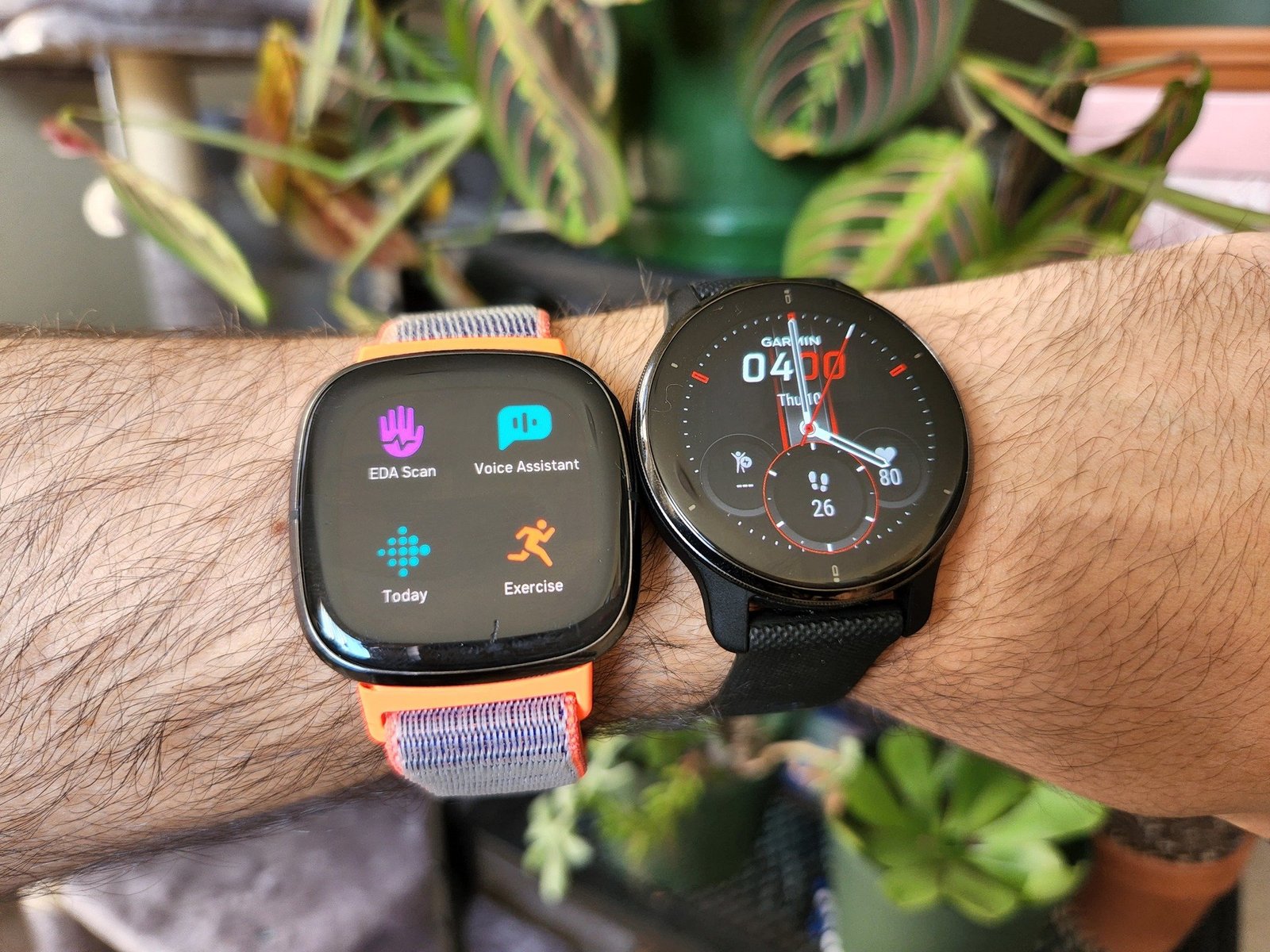
Garmin Venu 4 vs. Fitbit Sense 3 Comparison Review 2025: A Future of Wellness on Your Wrist
As we step into 2025, the wearable technology landscape continues its relentless evolution, pushing the boundaries of what a smartwatch can do for our health, fitness, and daily convenience. At the forefront of this innovation stand two titans: Garmin and Fitbit. While Garmin has traditionally catered to serious athletes with robust GPS and detailed performance metrics, and Fitbit has championed holistic health and approachable wellness, their flagship lifestyle smartwatches – the Venu series and the Sense series – have increasingly converged, offering a compelling blend of features for a broader audience.
This comprehensive review delves into the anticipated Garmin Venu 4 and Fitbit Sense 3, envisioning their capabilities in 2025. We’ll explore their design, health monitoring prowess, fitness tracking sophistication, smart features, battery life, and overall user experience, to help you determine which futuristic companion best suits your lifestyle.
Introduction: The Wearable War in 2025
The year 2025 marks a pivotal point for smartwatches. We’ve moved beyond basic step counting and heart rate monitoring. The focus has shifted towards hyper-personalization, predictive analytics, and seamless integration into our digital lives. Both Garmin and Fitbit, now with Google’s backing for the latter, are poised to deliver devices that are not just accessories, but essential tools for proactive health management and optimized living.
The Garmin Venu 4, building on the success of its predecessors, is expected to solidify Garmin’s position as a leader in merging advanced sports tracking with a sophisticated, everyday aesthetic. It will likely boast even more refined physiological metrics, enhanced GPS accuracy, and potentially new sensor technologies.
The Fitbit Sense 3, benefiting from deeper Google integration, is anticipated to double down on its holistic health approach, offering unparalleled insights into stress, sleep, and overall well-being, potentially incorporating more advanced AI-driven coaching and deeper integration with Google’s ecosystem.
Let’s dissect what these future-forward devices might bring to the table.
1. Design and Display: Aesthetics Meet Durability
By 2025, both Garmin and Fitbit will have refined their design philosophies, offering devices that are not only technologically advanced but also visually appealing and comfortable for 24/7 wear.
Garmin Venu 4 (Anticipated 2025):
The Venu 4 is expected to maintain Garmin’s signature blend of sporty elegance. We anticipate a sleeker profile and lighter construction, perhaps incorporating advanced materials like aerospace-grade aluminum or even a titanium option for premium models, reducing bulk without sacrificing durability. The display will undoubtedly remain a vibrant AMOLED panel, but with increased resolution, enhanced brightness (up to 1,500-2,000 nits for outdoor visibility), and an even more efficient Always-On Display mode that minimizes battery drain. Expect robust Corning Gorilla Glass Victus 2 or a proprietary sapphire glass equivalent for superior scratch resistance. The watch will likely come in multiple sizes to cater to different wrist dimensions, offering a wide array of interchangeable quick-release bands in silicone, leather, and perhaps even sustainable fabric options. Water resistance will remain a standard 5 ATM (50 meters), suitable for swimming and showering.
Fitbit Sense 3 (Anticipated 2025):
The Sense 3 will likely continue Fitbit’s softer, more organic design language, prioritizing comfort and a seamless integration into everyday attire. We expect an even more refined and slimmed-down chassis, potentially utilizing recycled materials for its construction, aligning with growing environmental consciousness. The display will be a crisp, high-resolution AMOLED, likely matching or exceeding the Venu 4 in brightness and clarity, with improved ambient light sensing for optimal viewing in any condition. Fitbit’s signature haptic button will likely be more responsive and intuitive. The Sense 3 will emphasize a lightweight feel, making it almost imperceptible on the wrist. A wider array of stylish band options, including eco-friendly and fashion-forward choices, will complement its versatile aesthetic. Water resistance will also be 5 ATM.
Verdict on Design: While both will offer premium aesthetics, the Venu 4 might lean slightly more towards a robust, athletic-inspired design with greater perceived durability, appealing to those who appreciate a more traditional watch feel. The Sense 3 will likely prioritize sleekness, comfort, and a fashion-forward, almost jewel-like appearance, designed to blend seamlessly into any outfit.
2. Core Health Monitoring: Beyond the Basics
This is where the true innovation in 2025 smartwatches shines. Both devices are expected to offer advanced, and potentially medically significant, health insights.
Garmin Venu 4 (Anticipated 2025):
Garmin’s health suite will go deeper than ever.
- Heart Rate Tracking: Fourth-generation Elevate optical HR sensor, offering even greater accuracy during intense workouts and resting periods, with continuous HRV (Heart Rate Variability) tracking for stress and recovery insights.
- ECG (Electrocardiogram): Fully integrated and FDA-cleared (or equivalent regional clearance) for atrial fibrillation detection, potentially offering more detailed analysis than current iterations.
- SpO2 (Blood Oxygen): Continuous and on-demand tracking with improved accuracy, providing insights into sleep quality and respiratory health.
- Skin Temperature: Baseline and variation tracking to monitor potential illness, ovulation cycles, and training readiness.
- Body Battery 2.0: A significantly enhanced version, leveraging more data points (sleep quality, stress, activity, training load, even food intake if manually logged) to provide a more accurate and predictive energy reserve estimate. It might even offer proactive suggestions for rest or activity based on predicted depletion.
- Advanced Sleep Tracking: Detailed sleep stages (REM, Light, Deep), sleep score, restless periods, and potentially integrated sleep apnea screening using SpO2 and respiratory rate.
- Stress Tracking: Driven by HRV, with guided breathing exercises and more personalized stress management insights based on individual patterns.
- Potential 2025 Addition: Non-Invasive Blood Pressure (Cuff-less): While challenging, some form of continuous or on-demand cuff-less blood pressure monitoring could emerge as a groundbreaking feature for both devices, though accuracy will be key.
Fitbit Sense 3 (Anticipated 2025):
The Sense 3 will continue to lead in holistic wellness, leveraging Google’s AI capabilities.
- Heart Rate Tracking: Next-generation PurePulse sensor, renowned for its 24/7 accuracy, supporting Active Zone Minutes and personalized HR zones.
- ECG & SpO2: Identical capabilities to the Venu 4, with robust regulatory clearances.
- EDA (Electrodermal Activity) Sensor: An even more sensitive sensor for stress management, providing real-time electrodermal responses to stress, paired with guided mindfulness sessions and AI-driven stress reduction programs. The Sense 3 will excel at intervening during stressful moments.
- Skin Temperature: Continuous overnight tracking for trends related to illness, menstrual cycles, and environmental factors.
- Sleep Profile 2.0: Highly personalized sleep insights, including a "sleep animal" persona, advanced restless leg syndrome detection, and predictive analytics for improving sleep hygiene. It might also offer integrated smart alarm capabilities that gently wake you during optimal sleep cycles.
- Wellness Score: A comprehensive daily score combining sleep, activity, stress, and potentially nutrition data, offering an overarching view of well-being.
- Potential 2025 Addition: Continuous Blood Glucose Monitoring (Non-invasive): This is a long-term goal for many, and while highly speculative for 2025 consumer devices, if any brand makes progress, Fitbit/Google would be a strong contender given their health focus. More likely is the aforementioned cuff-less blood pressure.
- Mental Wellness Integration: Deeper integration with mental health apps, offering personalized cognitive behavioral therapy (CBT) exercises and mood tracking.
Verdict on Health Monitoring: The Sense 3 will likely remain the champion for holistic wellness and stress management, offering unparalleled insights into mental and emotional well-being, potentially with groundbreaking blood pressure or glucose monitoring. The Venu 4 will provide robust physiological insights, excelling in recovery, energy management (Body Battery), and advanced cardiac health tracking, appealing more to those who want to optimize physical performance through health data. Both will be strong contenders for core medical-grade features like ECG and SpO2.
3. Fitness and Activity Tracking: Precision Meets Coaching
Both smartwatches will be formidable fitness companions, but with slightly different emphasis.
Garmin Venu 4 (Anticipated 2025):
Garmin’s pedigree in sports tracking will shine.
- GPS Accuracy: Multi-band GNSS support (GPS, GLONASS, Galileo, BeiDou, QZSS) for unparalleled accuracy even in challenging urban environments, enabling precise pace, distance, and route mapping.
- Sports Modes: An exhaustive list of preloaded activities (100+), including running, cycling, swimming, strength training, yoga, Pilates, golf, and niche sports, with customizable data screens.
- Advanced Running Dynamics: Metrics like ground contact time, vertical oscillation, stride length, and power (potentially wrist-based) for deeper running analysis.
- Training Readiness 2.0: An evolution of Garmin’s highly praised metric, incorporating more nuanced data points like acute load, sleep score, recovery time, HRV status, and stress history to provide an even more accurate daily readiness assessment. It will offer dynamic, AI-powered workout suggestions tailored to your current state.
- Workout Benefit & Recovery Time: Clear explanations of how workouts impact your fitness and precise recovery time estimates.
- PacePro and ClimbPro: Advanced pacing strategies for runs and ascent planning for cycling/hiking.
- Strength Training Enhancements: Improved automatic rep counting and form analysis using accelerometers, with animations for guided workouts.
Fitbit Sense 3 (Anticipated 2025):
The Sense 3 will offer a more approachable yet sophisticated fitness experience, driven by Google’s health initiatives.
- GPS Accuracy: Improved built-in GPS with multi-GNSS support, though perhaps not quite matching Garmin’s industry-leading precision in the most demanding scenarios.
- Active Zone Minutes 2.0: A more intelligent version, providing real-time guidance to push you into target heart rate zones, with personalized weekly goals based on your fitness level and recovery.
- Daily Readiness Score: Similar to Garmin’s, but potentially leveraging more of Fitbit’s holistic health data (stress, sleep, HRV, activity trends) to suggest whether you should push harder or prioritize rest.
- Guided Workouts: A vast library of guided workouts across various disciplines, including strength, cardio, yoga, and mindfulness, with video demonstrations on the watch screen (for simpler exercises).
- Automatic Activity Recognition: Enhanced accuracy in identifying and logging common activities like walking, running, and swimming.
- Goal-Based Exercise: Smart suggestions for exercise duration and intensity to meet specific fitness goals (e.g., improve VO2 Max, lose weight).
- Google Fit Integration: Seamless syncing with Google Fit for a broader health ecosystem view.
Verdict on Fitness: For serious athletes, outdoor adventurers, and data-driven individuals who demand granular metrics and unparalleled GPS accuracy, the Garmin Venu 4 will be the clear winner. For those seeking a comprehensive yet intuitive fitness tracker that integrates seamlessly with holistic health goals and offers guided motivation, the Fitbit Sense 3 will be highly appealing.
4. Smart Features and Connectivity: Your Digital Hub
In 2025, smartwatches are expected to be truly standalone, connected devices.
Garmin Venu 4 (Anticipated 2025):
- Notifications & Calls: Full smartphone notifications with quick replies (Android), and the ability to answer calls from your wrist via a built-in speaker and microphone.
- Music Storage: Ample onboard storage (8-16 GB) for thousands of songs, with offline Spotify, Amazon Music, and Deezer support.
- Garmin Pay: Contactless payments via NFC, with expanded bank support globally.
- Voice Assistant: Likely an improved, more responsive proprietary voice assistant for basic commands, potentially with deeper integration with your phone’s assistant (Siri/Google Assistant).
- Connect IQ Store: A thriving ecosystem of third-party apps, watch faces, and data fields, offering more utility and customization.
- LTE Connectivity: A premium option for fully standalone calling, texting, and emergency assistance without your phone.
- Enhanced Safety Features: Incident detection with automatic emergency contacts notification, and LiveTrack for sharing your real-time location.
- Smart Home Control: Basic control of compatible smart home devices via the watch.
Fitbit Sense 3 (Anticipated 2025):
- Notifications & Calls: Comprehensive smartphone notifications, quick replies (Android), and crystal-clear call handling via speaker and microphone.
- Music Storage: Onboard storage for music, with stronger integration with YouTube Music and Spotify.
- Google Pay (formerly Fitbit Pay): Seamless contactless payments, leveraging Google’s robust payment ecosystem.
- Google Assistant & Amazon Alexa: Full, responsive voice assistant capabilities, leveraging Google’s AI for advanced queries, smart home control, and setting reminders. This will be a significant advantage.
- Google Maps Integration: Turn-by-turn navigation directly on the wrist, making it incredibly convenient for walking or cycling.
- Google Find My Device: Locate your phone or other Google-connected devices directly from your watch.
- Play Store Access (Limited): While not full Wear OS, the Sense 3 will likely have access to a curated selection of Google Play Store apps optimized for Fitbit, significantly expanding its utility.
- LTE Connectivity: Standard or optional LTE for true phone-free operation.
- Smart Reply & Voice-to-Text: More intelligent and context-aware quick replies for messages.
Verdict on Smart Features: The Fitbit Sense 3 is expected to leverage its Google integration to offer a superior and more cohesive smart experience, particularly with Google Assistant, Google Maps, and potentially broader app support. The Garmin Venu 4 will provide robust core smart features and excellent music integration, but its voice assistant and broader ecosystem might feel less seamless compared to Google’s.
5. Battery Life: The Endurance Race
Battery life remains a critical differentiator, especially with the addition of more sophisticated sensors and always-on displays.
Garmin Venu 4 (Anticipated 2025):
Garmin has a strong track record here, optimizing power consumption. We expect the Venu 4 to offer:
- Smartwatch Mode: 12-15 days (without Always-On Display), 5-7 days (with Always-On Display).
- GPS Mode: 25-30 hours (single-band GPS), 15-20 hours (multi-band GPS).
- GPS + Music: 8-10 hours.
- Battery Saver Mode: Significantly extended life, potentially up to 30 days.
Fitbit Sense 3 (Anticipated 2025):
While Fitbit has improved, their battery life typically trails Garmin due to more power-hungry sensors (like EDA) and potentially richer display interactions.
- Smartwatch Mode: 7-9 days (without Always-On Display), 3-5 days (with Always-On Display).
- GPS Mode: 12-15 hours.
- GPS + Music: 6-8 hours.
Verdict on Battery Life: The Garmin Venu 4 is highly likely to retain its crown for superior battery endurance, making it the preferred choice for multi-day trips, extended workouts, or simply less frequent charging. The Sense 3 will offer respectable battery life for daily use but will require more frequent top-ups.
6. Software and User Experience: Intuition and Insight
The software experience ties everything together, determining how easy and insightful the watches are to use.
Garmin Venu 4 (Anticipated 2025):
- On-Watch UI: Garmin’s UI will be even more fluid and customizable, with improved touch responsiveness and intuitive button navigation. Data presentation will be clear, concise, and actionable.
- Garmin Connect App: A powerhouse of data analysis. Expect even more sophisticated charts, trend analysis, predictive insights (e.g., "based on your sleep and stress, you’re trending towards burnout, consider a rest day"), and a more personalized "Daily Report" dashboard. The community features and challenges will remain strong.
- Data Visualization: Excellent at presenting complex fitness and health metrics in an understandable way, emphasizing training load, recovery, and overall performance.
Fitbit Sense 3 (Anticipated 2025):
- On-Watch UI: Fitbit’s UI will be even more user-friendly and aesthetically pleasing, with smooth animations and easy access to key health metrics. The integration with Google’s design principles will make it feel familiar and intuitive.
- Fitbit App (by Google): Expected to be a beautifully designed, highly intuitive app focusing on holistic wellness. It will excel at presenting stress, sleep, and activity data in an engaging way, with actionable advice and guided programs. Deep integration with Google’s health initiatives will allow for cross-platform data sharing and richer insights.
- Personalized Coaching: AI-driven coaching suggestions for sleep, stress, and activity will be a highlight, making the app feel like a personal wellness guide.
- Fitbit Premium: Likely still a subscription service, offering deeper insights, personalized programs, and advanced content, which might be a deterrent for some.
Verdict on Software & UX: Both will offer excellent software, but with different strengths. The Garmin Venu 4 will appeal to data enthusiasts and athletes who want to dive deep into performance metrics and physiological insights. The Fitbit Sense 3 will be ideal for those seeking an intuitive, holistic, and motivational wellness companion, with a strong emphasis on user-friendliness and actionable advice, especially if they are already invested in the Google ecosystem.
7. Price and Value Proposition: What’s the Investment?
By 2025, advanced smartwatches will still represent a significant investment, but their capabilities will justify the cost for many.
Garmin Venu 4 (Anticipated 2025):
Expected Price: $449 – $549 (base model), with premium materials or LTE options pushing it higher.
Value: High upfront cost but generally no ongoing subscription fees for core features (unless for specific third-party apps). It offers unparalleled fitness tracking and robust health monitoring for athletes and active individuals.
Fitbit Sense 3 (Anticipated 2025):
Expected Price: $349 – $449 (base model), with LTE options potentially increasing the price.
Value: More approachable initial price point. However, to unlock the full potential of its health insights and personalized coaching, a Fitbit Premium subscription (around $9.99/month or $79.99/year) will likely be necessary. This ongoing cost needs to be factored into the total value proposition.
Verdict on Price: The Fitbit Sense 3 will likely be the more budget-friendly option upfront, but its reliance on a subscription for advanced features means the total cost of ownership over several years could be comparable to or even exceed the Venu 4. The Garmin Venu 4 represents a higher initial investment, but a more "buy once, use forever" model for its core functionalities.
Conclusion: Who Wears the Crown in 2025?
As we look to 2025, both the Garmin Venu 4 and the Fitbit Sense 3 are poised to be exceptional smartwatches, pushing the boundaries of health and fitness technology. The choice between them ultimately hinges on your primary priorities:
Choose the Garmin Venu 4 if:
- You are a dedicated athlete or fitness enthusiast who demands precise GPS, detailed performance metrics, advanced training readiness, and deep physiological insights.
- You value long battery life and prefer less frequent charging.
- You want a robust, durable smartwatch with a more traditional watch aesthetic.
- You prefer a one-time purchase with comprehensive features without a recurring subscription for core functions.
- You appreciate Garmin’s extensive Connect IQ ecosystem for customization.
Choose the Fitbit Sense 3 if:
- Your primary focus is holistic health and mental well-being, with an emphasis on stress management, advanced sleep tracking, and personalized wellness coaching.
- You are deeply embedded in the Google ecosystem and want seamless integration with Google Assistant, Google Maps, and other Google services.
- You prioritize a sleek, lightweight, and comfortable design for 24/7 wear.
- You are comfortable with a subscription model (Fitbit Premium) to unlock the device’s full potential for advanced insights and programs.
- You prefer a more intuitive and user-friendly app experience that provides actionable advice rather than just raw data.
In 2025, the smartwatch will be more than just a gadget; it will be a proactive partner in our journey towards better health and a more connected life. Whether you lean towards Garmin’s athletic prowess or Fitbit’s wellness wisdom, both the Venu 4 and the Sense 3 will offer a glimpse into a future where personal health insights are always just a glance away. The wearable war continues, and consumers are the ultimate winners.
