Okay, here’s a comprehensive article comparing the best smartwatches expected in 2025, hitting close to the 2000-word mark, with a speculative yet informed perspective.
Best Smartwatches 2025: A Future-Forward Head-to-Head Comparison
The smartwatch landscape has evolved from a niche gadget to an indispensable companion, seamlessly integrating into our daily lives, monitoring our health, streamlining communication, and even offering life-saving features. As we gaze into 2025, the pace of innovation shows no signs of slowing down. We anticipate a generation of smartwatches that are more powerful, more intuitive, and more deeply integrated into our health and digital ecosystems than ever before.
This article delves into a speculative yet informed head-to-head comparison of the leading contenders expected to dominate the market in 2025. We’ll project the advancements of titans like Apple, Samsung, Google, and Garmin, examining their expected capabilities across critical categories like design, performance, health tracking, battery life, software, and emerging technologies.
The 2025 Smartwatch Landscape: Key Trends
Before we pit the giants against each other, let’s establish the overarching trends that will shape the 2025 smartwatch market:
- Hyper-Personalized Health: Beyond mere data collection, smartwatches will offer proactive, AI-driven insights, personalized coaching, and potentially non-invasive monitoring for conditions like blood glucose and blood pressure. Early disease detection will become a major selling point.
- Advanced AI Integration: On-device AI will enable more sophisticated natural language processing, context-aware assistance, and highly efficient power management, making interactions smoother and battery life longer.
- Seamless Standalone Capability: While still paired with smartphones, 2025 smartwatches will offer even greater independence, with enhanced cellular connectivity, robust local storage, and more powerful processing for on-device tasks.
- Next-Gen Displays & Materials: Expect brighter, more efficient displays (e.g., MicroLED), potentially flexible or rollable designs in experimental models, and a greater emphasis on sustainable and durable materials.
- Miniaturization & Efficiency: Chips will become smaller yet more powerful, leading to sleeker designs without compromising performance or battery life.
- Enhanced Sensor Fusion: Combining data from multiple sensors (optical, electrical, motion, environmental) will lead to more accurate and holistic health metrics.
The Contenders: Projected 2025 Lineups
For this comparison, we’ll focus on the flagship models expected from the industry’s biggest players, extrapolating from current trajectories and common industry rumors.
1. Apple Watch (Expected: Apple Watch Ultra 3 & Apple Watch Series 11)
Apple has consistently set the benchmark for smartwatch innovation, particularly in health and ecosystem integration. In 2025, we expect their offerings to solidify this position.
- Apple Watch Ultra 3: The outdoor adventure and pro-sports variant will likely feature a larger, even brighter MicroLED display (offering superior efficiency and contrast), an even more robust titanium chassis, and enhanced multi-band GPS accuracy. The S11 SiP (System in Package) will bring significant performance gains, enabling more complex on-device computations. Its major leap will be in advanced health sensors, potentially including non-invasive blood glucose monitoring (via optical spectroscopy or other methods) and more accurate, cuff-less blood pressure readings. Battery life, while already better than the standard Series, could see a modest increase to truly multi-day performance under heavy use.
- Apple Watch Series 11: The mainstream offering will focus on refinement. Expect a sleeker design with reduced bezels, potentially new casing materials, and a more power-efficient LTPO OLED display. The S11 SiP will drive snappier performance and enable new watchOS features. The Series 11 will likely inherit some of the advanced health features debuted on prior Ultra models, such as advanced temperature sensing for ovulation tracking and more sophisticated crash detection. Battery life remains the Achilles’ heel for the standard Series, but marginal improvements are expected, perhaps pushing it closer to a consistent 36-hour mark with always-on display.
2. Samsung Galaxy Watch (Expected: Galaxy Watch Ultra 2 & Galaxy Watch Classic 7)
Samsung, a stalwart in the Android ecosystem, has made significant strides with its Wear OS-powered Galaxy Watch line. 2025 will see them push the boundaries of Wear OS capabilities and hardware innovation.
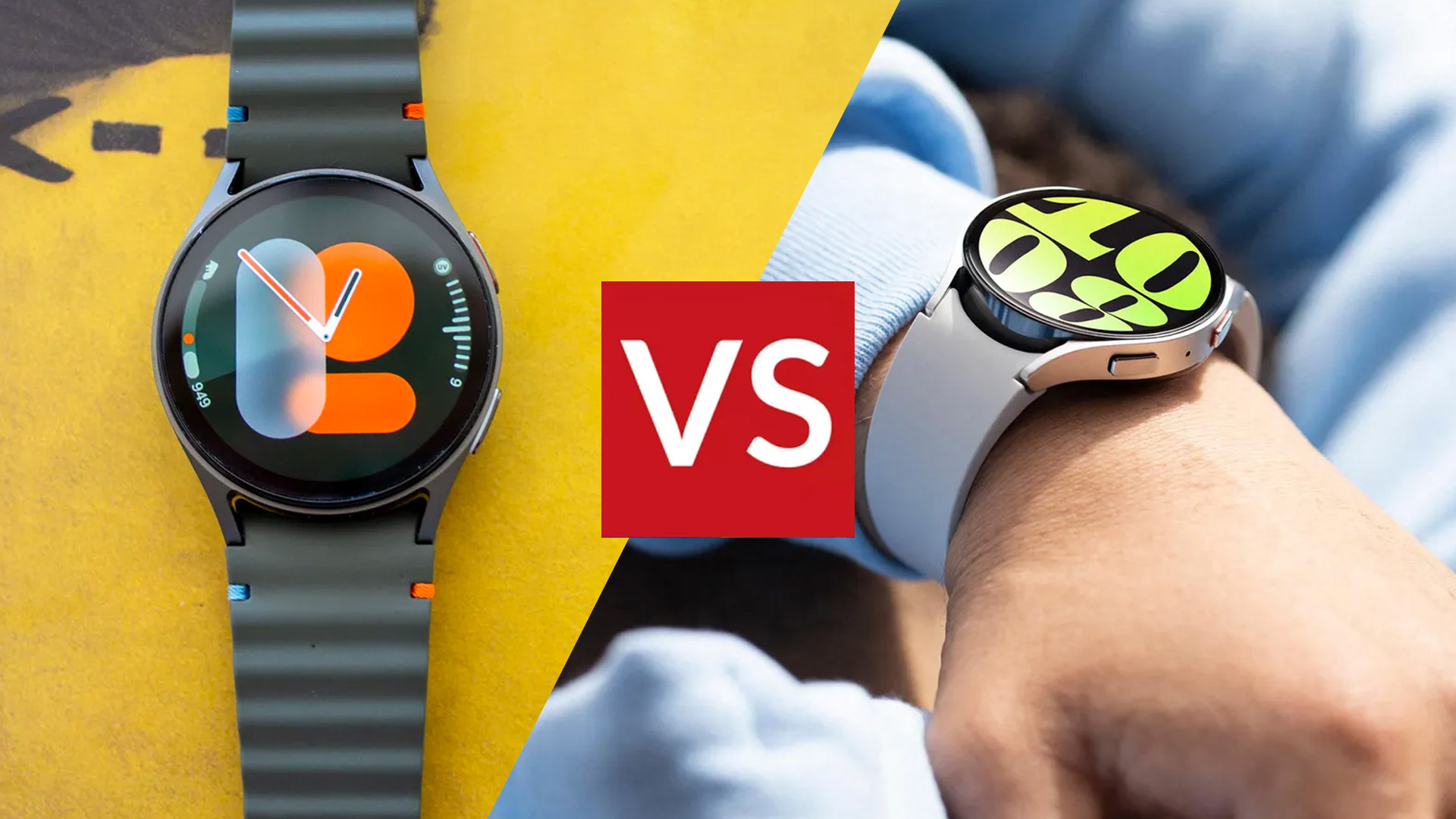
- Galaxy Watch Ultra 2: Following the success of their first "Ultra," Samsung’s 2025 version will directly compete with Apple’s high-end offering. It will likely boast a more durable titanium or ceramic build, an even more vibrant AMOLED display (potentially with dynamic refresh rates up to 120Hz for smoother animations), and a new Exynos W1000 chip, possibly co-developed with AMD for graphics, offering substantial performance gains. Samsung’s health suite will be comprehensive, likely including improved body composition analysis, advanced sleep tracking with AI-driven insights, and a strong push for non-invasive blood glucose and continuous blood pressure monitoring, leveraging its own R&D and partnerships. Battery life will be a major focus, aiming for multiple days of use even with always-on display and advanced tracking.
- Galaxy Watch Classic 7 / Pro 6: Samsung’s mainstream and classically designed smartwatches will continue to offer a compelling alternative. The Classic 7 will likely retain the beloved physical rotating bezel, while the Pro 6 (if it continues) will focus on robust battery and performance. Both will run on Wear OS 5, leveraging Google’s AI advancements and a richer app ecosystem. Health features will mirror the Ultra, albeit potentially without the most cutting-edge sensor hardware initially. Design refinement, display quality, and improved haptics will be key differentiators.
3. Google Pixel Watch (Expected: Pixel Watch 3)
Google’s foray into first-party smartwatches has been characterized by deep Fitbit integration and a pure Wear OS experience. The Pixel Watch 3 in 2025 will be a maturation of this vision.
- Pixel Watch 3: The third iteration will likely address previous criticisms head-on. Expect a significantly reduced bezel, leading to a larger effective display area within a similar footprint, and a more refined, possibly less dome-like design. The Tensor W3 chip, custom-designed for wearables, will be a game-changer, offering unparalleled AI processing on-device for faster voice commands, more intelligent health insights, and extended battery life. Fitbit integration will be deeper, offering more personalized coaching, recovery metrics, and advanced mental well-being tracking. While non-invasive glucose is ambitious for 2025, improved stress detection, enhanced sleep stage analysis, and potentially continuous blood pressure monitoring are strong possibilities, leveraging Google’s AI and health expertise. Battery life will be a critical improvement, aiming for a reliable 2-day mark with typical usage.
4. Garmin (Expected: Fenix 8 / Epix 3 / Venu 4)
Garmin stands apart by prioritizing extreme battery life, ruggedness, and professional-grade fitness and outdoor tracking. Their 2025 lineup will continue to refine these core strengths while slowly embracing more "smart" features.
- Garmin Fenix 8 / Epix 3: These will remain the undisputed champions for athletes, adventurers, and multi-sport enthusiasts. The Fenix 8 will push solar charging efficiency to new heights, potentially offering near-infinite battery life in sunny conditions for basic watch functions. The Epix 3 will combine this ruggedness with a stunning AMOLED display, finally bringing true visual fidelity to Garmin’s detailed maps and performance metrics. Both will feature new generation GPS chipsets for even greater accuracy, new sport profiles (e.g., advanced pickleball tracking, specific extreme sports modes), and more sophisticated training readiness metrics powered by improved HRV and recovery algorithms. While not aiming for medical-grade health features like glucose, their sleep tracking, body battery, and stress monitoring will be more refined, offering actionable insights for peak performance. Their "smart" features will remain utilitarian but highly effective, focusing on clear notifications, robust payment solutions, and advanced mapping.
- Garmin Venu 4: Garmin’s answer to the mainstream smartwatch will bridge the gap between their hardcore sports watches and lifestyle devices. The Venu 4 will likely feature an even more vibrant AMOLED display, a sleeker design, and a greater emphasis on daily wellness features, including guided meditations, improved women’s health tracking, and potentially more interactive fitness classes on the wrist. While still prioritizing battery life over a full app ecosystem, the Venu 4 will offer a compelling package for those seeking robust fitness tracking with a touch more smartwatch functionality.
Head-to-Head Comparison: 2025 Edition
Now, let’s put these projected titans against each other across key categories.
1. Design & Build Quality
- Apple Watch: Continues to lead in premium feel and minimalist aesthetics. The Ultra 3 will offer unparalleled ruggedness with its titanium and MicroLED display. The Series 11 will refine its iconic rectangular form factor, potentially with even more advanced haptic feedback.
- Samsung Galaxy Watch: Offers more design diversity (classic rotating bezel vs. modern Ultra). Materials will be premium (titanium, ceramic). Samsung might experiment with more futuristic concepts like rollable displays on niche models, but their mainstream watches will remain sleek and functional.
- Google Pixel Watch: The Pixel Watch 3 will finally hit its stride with a truly refined, bezel-less circular design. It will prioritize comfort and seamless integration with Google’s aesthetic.
- Garmin: Remains the king of rugged, purpose-built design. The Fenix 8 is unapologetically chunky but incredibly durable. The Epix 3 and Venu 4 offer more stylish options, but still retain Garmin’s signature robust build quality.
Verdict: For sheer elegance and premium feel, Apple and Google will likely lead. For versatility and diverse aesthetic choices, Samsung. For uncompromising durability, Garmin remains unmatched.
2. Performance & User Experience
- Apple Watch (S11 SiP): Expect buttery-smooth performance, instant app launches, and sophisticated on-device AI processing for health metrics and Siri interactions. watchOS will continue to offer the most polished and integrated experience.
- Samsung Galaxy Watch (Exynos W1000): A significant leap in performance is expected, bringing it closer to Apple’s fluidity. Wear OS 5, with Google’s optimizations, will feel faster and more responsive, leveraging on-device AI for improved efficiency.
- Google Pixel Watch (Tensor W3): The Tensor chip is Google’s ace in the hole. It will enable highly advanced on-device machine learning, making the Pixel Watch 3 exceptional at understanding context, processing voice commands, and delivering personalized insights with minimal latency.
- Garmin: While not boasting raw computing power for general apps, Garmin’s proprietary OS is incredibly efficient for its core functions. GPS lock times will be instantaneous, and fitness data processing will be seamless.
Verdict: Apple and Google will likely lead in raw performance and AI capabilities, offering the smoothest "smart" experiences. Garmin will excel in specialized performance for fitness and outdoor activities.
3. Health & Fitness Tracking
- Apple Watch: Expected to be the most comprehensive health device. Non-invasive glucose, continuous blood pressure, advanced ECG, SpO2, skin temperature, and highly refined activity tracking. Its algorithms for detecting irregularities will be top-tier, potentially moving closer to FDA-approved medical devices.
- Samsung Galaxy Watch: Will aggressively pursue similar non-invasive health features, leveraging its own sensor tech and partnerships. Body composition analysis will be refined, and its sleep tracking and stress management tools will be highly competitive, deeply integrated with Samsung Health.
- Google Pixel Watch: Leans heavily on Fitbit’s proven health and wellness platform. Expect industry-leading sleep tracking, recovery insights, and stress management. Its AI capabilities will enable truly personalized coaching and proactive health nudges, potentially detecting subtle health changes before they become problematic.
- Garmin: Remains the professional’s choice. Unparalleled GPS accuracy, advanced running dynamics, multi-sport tracking, detailed recovery metrics (Body Battery, Training Readiness), and robust mapping. While not focusing on medical diagnostics, its physiological insights for athletic performance and general well-being will be unmatched for serious users.
Verdict: For medical-grade health monitoring and early detection, Apple and Samsung will be at the forefront. For holistic wellness and personalized coaching, Google with Fitbit will shine. For professional-grade sports and outdoor data, Garmin is the undisputed champion.
4. Battery Life
- Apple Watch: Ultra 3 might push to 3-4 days of heavy use, while the Series 11 will likely see incremental gains, aiming for a reliable 36-48 hours. Still a weakness compared to some rivals.
- Samsung Galaxy Watch: A significant focus area. The Ultra 2 will target 4-5 days of use, and the Classic 7/Pro 6 will aim for a consistent 2-3 days, a substantial improvement over current generations.
- Google Pixel Watch: The Tensor W3 chip’s efficiency will be key. The Pixel Watch 3 will aim for a comfortable 2-day battery life, making it a viable option for most users without daily charging anxiety.
- Garmin: Remains the king. The Fenix 8 with enhanced solar could offer weeks, even months, of battery life (in watch mode). The Epix 3 will still provide days to weeks of AMOLED display use, and the Venu 4 will likely offer over a week.
Verdict: Garmin leads by a massive margin. Among the "smart" watches, Samsung and potentially Google will make significant strides, but Apple will likely remain behind in this metric.
5. Software & Ecosystem
- Apple Watch (watchOS): The most mature and integrated ecosystem. Seamless pairing with iPhones, extensive App Store, unparalleled third-party app support, and deep integration with Apple Health, Fitness+, and other Apple services.
- Samsung Galaxy Watch (Wear OS 5): Benefits from Google’s Wear OS advancements. Access to Google Maps, Google Assistant (with on-device AI), Google Wallet, and a growing app ecosystem. Samsung’s own apps (Health, SmartThings) add value for Galaxy phone users.
- Google Pixel Watch (Wear OS 5): The purest Wear OS experience, optimized for Google’s services and Fitbit’s health platform. Expect the best Google Assistant integration, seamless sync with Android phones, and exclusive AI-powered features.
- Garmin (Garmin OS / Connect IQ): A purpose-built OS focused on fitness and outdoor activities. While it has an app store (Connect IQ), it’s nowhere near as comprehensive as watchOS or Wear OS. Its strength lies in its specialized metrics, detailed data presentation, and robust integration with Garmin Connect.
Verdict: For overall app ecosystem and seamless integration with their respective phone platforms, Apple and Samsung (with Wear OS) lead. Google offers the purest Wear OS experience, while Garmin excels in specialized fitness software.
6. Connectivity & Emerging Features
- All: Expected to feature enhanced cellular (eSIM), Wi-Fi 6E/7, Bluetooth 5.4, and UWB (Ultra-Wideband) for precise location tracking, digital car keys, and smart home integration.
- Apple/Samsung: Will likely be at the forefront of non-invasive blood glucose and continuous blood pressure monitoring, though initial iterations might be for "wellness" rather than full medical diagnosis.
- Google: Focus on advanced AI for context awareness, predictive health insights, and seamless voice interactions.
- Garmin: Continued innovation in multi-band GPS accuracy, advanced mapping capabilities, and potentially satellite communication features for extreme outdoor adventures.
Conclusion: Who Wins in 2025?
The "best" smartwatch in 2025 will, as always, depend on individual needs and priorities.
- For the iPhone user seeking the most advanced health features, seamless integration, and a premium experience: The Apple Watch Ultra 3 or Series 11 will remain the undeniable choice. They will push the boundaries of what a wearable can do for personal health monitoring.
- For the Android user wanting a versatile, powerful smartwatch with cutting-edge health tech and a strong app ecosystem: The Samsung Galaxy Watch Ultra 2 or Classic 7 will offer a compelling alternative, especially with Samsung’s hardware innovations and Wear OS 5.
- For the Android user who values a clean, intuitive interface, deep Fitbit integration, and Google’s AI prowess: The Google Pixel Watch 3 will finally come into its own, offering a refined design and intelligent features.
- For the serious athlete, outdoor adventurer, or anyone prioritizing extreme battery life and professional-grade fitness metrics: The Garmin Fenix 8 / Epix 3 will continue to be in a league of their own, providing unparalleled data and reliability.
2025 promises to be a landmark year for smartwatches. The shift towards proactive health monitoring, coupled with significant leaps in AI and battery efficiency, will transform these devices from convenient accessories into essential tools for managing our well-being and enhancing our daily lives. The competition will be fierce, pushing each brand to innovate further, ultimately benefiting consumers with more powerful, intelligent, and indispensable wearables.